May 21, 2026
A well-maintained garden can completely change the appearance and feel of an outdoor space. Healthy plants, clean borders, and balanced landscaping often create a more welcoming environment while also supporting long-term plant growth. One material that continues to play an important role in both residential and commercial landscaping is mulch. When applied strategically, mulch can help support moisture retention, improve visual appeal, and protect soil conditions throughout changing weather patterns.
Many property owners think of mulch as only a decorative finishing touch, but it serves a much larger purpose in professional landscaping. Different materials, textures, and colors can influence how a landscape performs and how it looks over time. Proper installation also matters because too much or too little coverage may affect plant health and soil performance.
Understanding the smartest ways to use mulch can help homeowners make better landscaping decisions while creating outdoor spaces that remain attractive throughout the seasons.
1. Define Garden Borders Clearly
One of the most practical uses for mulch is creating definition throughout a landscape. Garden beds that blend into lawns or walkways may appear unfinished or difficult to maintain. Applying mulch around flower beds, shrubs, and decorative plants helps establish a clear visual separation between different areas of the yard.
Professional landscapers often use mulch to frame specific landscape features and guide the eye naturally across the property. Darker mulch varieties can create contrast against greenery, while lighter materials may complement stonework or brighter plant selections. This visual structure often makes gardens appear cleaner and more organized.
Defined borders can also support easier maintenance. Grass and weeds are less likely to spread into planted areas when mulch is applied correctly around bed edges. This helps landscapes maintain a polished appearance for longer periods between maintenance visits.
In larger outdoor spaces, mulch can also unify separate sections of the yard so the entire property feels more cohesive. Whether surrounding ornamental plants or lining pathways, mulch helps create intentional design throughout the landscape.
2. Protect Soil From Harsh Conditions
Changing weather conditions can place significant stress on soil and plant roots. Heavy rain, strong sunlight, and fluctuating temperatures may gradually weaken soil quality and affect plant performance. Mulch acts as a protective layer that shields the ground from many of these environmental challenges.
During warmer conditions, mulch helps reduce moisture evaporation from the soil surface. This can help plants maintain more stable growing conditions and reduce stress during dry periods. In cooler weather, mulch may help insulate root systems and protect plants from sudden temperature swings.
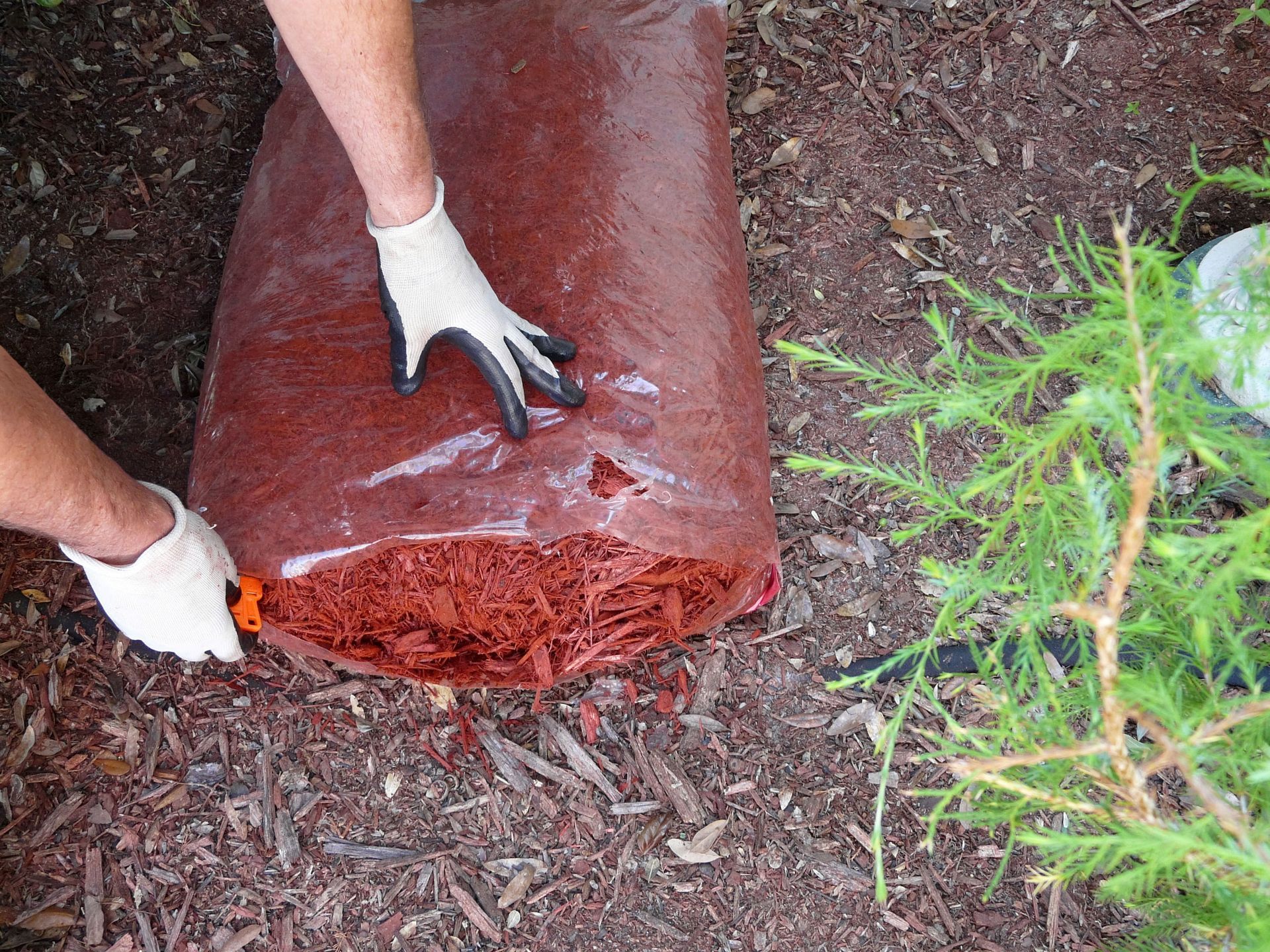
Professional landscaping teams understand that proper mulch depth is important for achieving these protective benefits. According to This Old House, new garden beds often perform best with about 3 inches of mulch, while existing beds may only need about 1 inch added to maintain healthy coverage. Applying the correct amount helps support soil protection without overwhelming plant roots.
Mulch can also reduce soil erosion caused by rainfall or irrigation runoff. Bare soil may wash away gradually over time, especially in sloped areas, but mulch helps keep the surface more stable and protected.
3. Reduce Weed Growth Naturally
Weeds are one of the most common frustrations for property owners trying to maintain an attractive garden. Unwanted growth competes with plants for nutrients, water, and sunlight while also making landscaping appear neglected. Mulch can help reduce weed activity by limiting sunlight exposure to the soil beneath it.
When sunlight is blocked, many weed seeds struggle to germinate and spread throughout garden beds. This can help reduce the frequency of maintenance while supporting healthier conditions for flowers, shrubs, and ornamental plants. Landscapes with consistent mulch coverage often appear cleaner and more controlled because weeds are less visible.
Professional landscapers frequently recommend mulch in areas where dense planting arrangements make weed removal more difficult. Instead of relying solely on repeated maintenance, mulch creates an additional layer of defense that supports long-term landscape management.
Different mulch materials may provide different visual effects while still contributing to weed suppression. Organic options can blend naturally into garden settings, while decorative mulch products may enhance more modern landscape designs. Choosing the right style often depends on the overall appearance the property owner wants to achieve.
4. Highlight Walkways and Outdoor Features
Mulch can also help draw attention to important features throughout a landscape. Walkways, seating areas, decorative trees, and garden structures often stand out more clearly when surrounded by carefully placed mulch. This creates visual flow and helps outdoor spaces feel more thoughtfully designed.
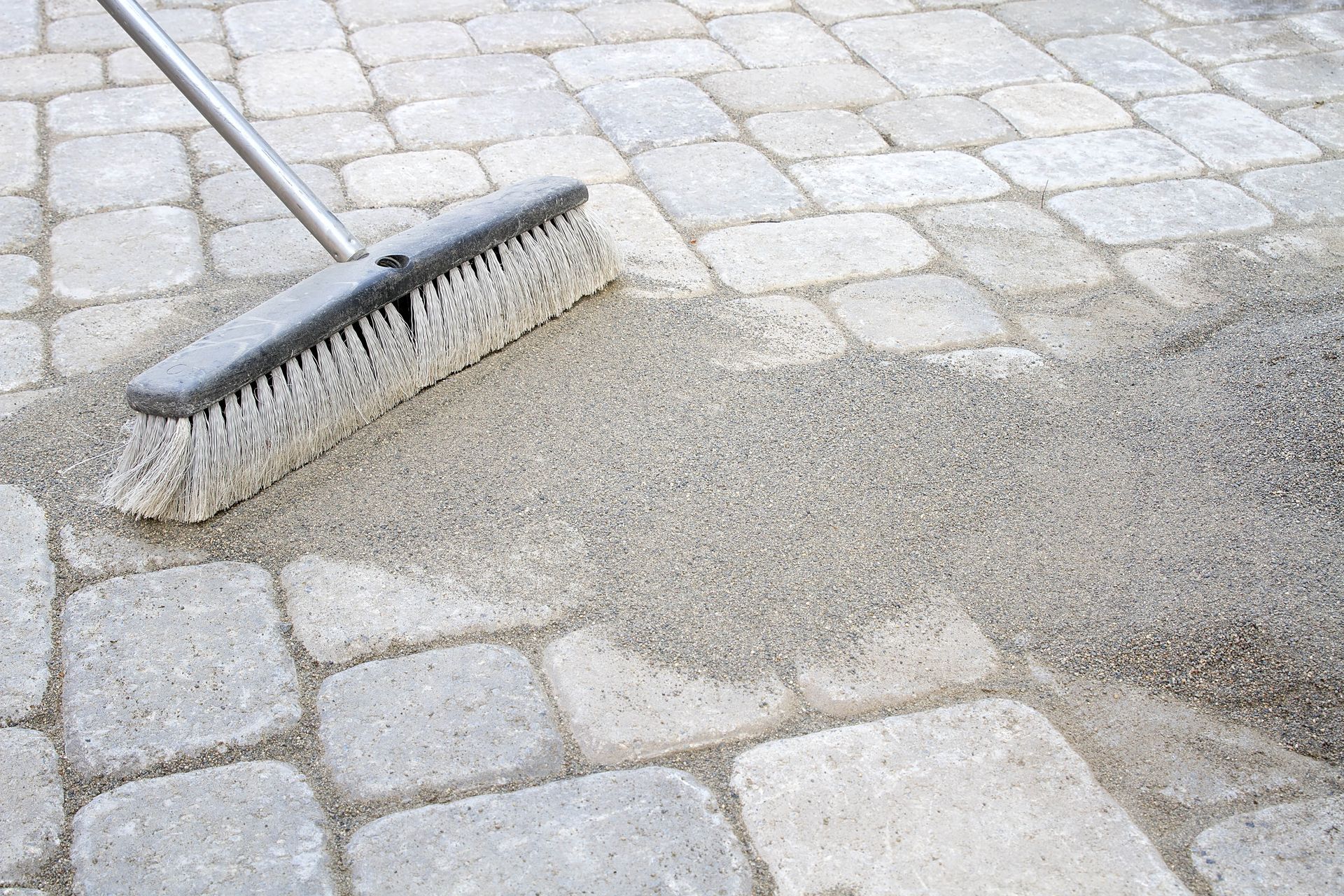
In many landscapes, mulch serves as a transition material between hardscaping and planted areas. Stone pathways, patios, and retaining walls may appear softer and more integrated into the environment when bordered with mulch. This balance between natural and structural elements can make outdoor spaces feel more inviting.
Property owners often use mulch to emphasize focal points within the garden. Decorative trees, water features, or flower displays may become more visually prominent when contrasted against consistent mulch coverage. Landscapers sometimes use varying mulch tones to create subtle dimension and depth across the property.
Mulch can also improve the appearance of areas that may otherwise look sparse or unfinished. Spaces beneath trees or around shrubs often benefit from fresh mulch because it creates a cleaner and more intentional presentation.
5. Support Healthier Plant Growth
Healthy plants depend on stable growing conditions, and mulch can contribute to creating that environment. Soil that remains exposed to direct sunlight and changing weather conditions may dry out more quickly or become compacted over time. Mulch helps regulate these conditions and supports healthier plant development.
Organic mulch materials may gradually break down and contribute nutrients back into the soil. This natural process can improve soil texture while supporting beneficial microbial activity beneath the surface. Landscapers often select mulch types based on the needs of the plants and the overall landscape design.
Moisture retention is another important benefit associated with mulch. Plants that experience inconsistent moisture levels may become stressed or develop weaker root systems. Mulch helps maintain more balanced soil conditions, which can contribute to healthier foliage and stronger plant growth.
Professional landscaping services understand how to apply mulch carefully around plants without placing excessive material directly against stems or trunks. Proper placement helps avoid unnecessary moisture buildup while still delivering the protective benefits mulch provides.
When combined with regular landscape maintenance, mulch can help gardens remain vibrant and visually appealing throughout changing seasons.
6. Improve Overall Landscape Appearance
One of the most noticeable advantages of mulch is the immediate improvement it can bring to a property’s appearance. Fresh mulch often gives gardens a clean, finished look that enhances curb appeal and creates a more polished outdoor environment.
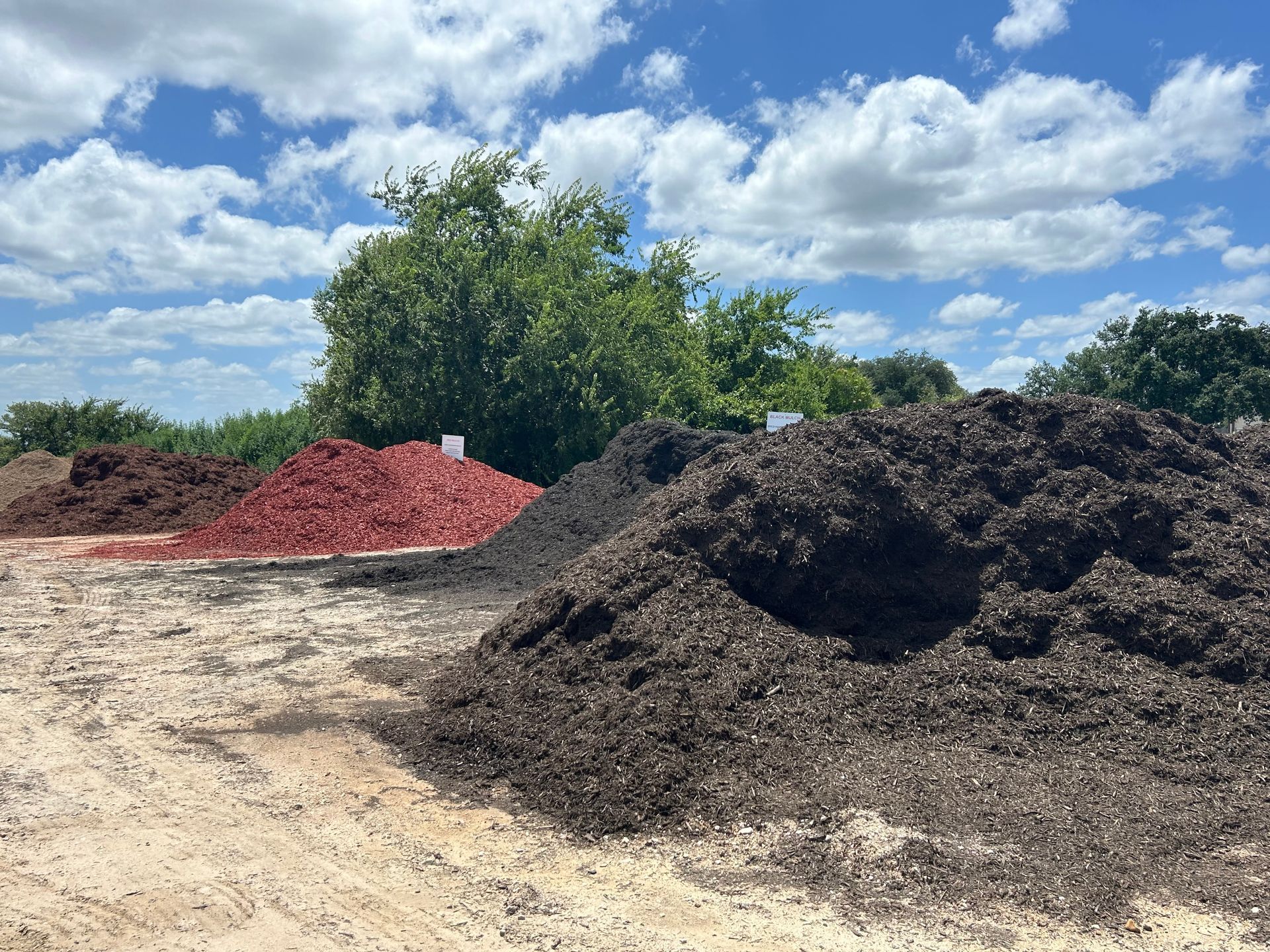
Different mulch colors and textures can complement various architectural and landscaping styles. Dark mulch may create dramatic contrast around greenery, while lighter tones may contribute to a softer, more natural appearance. Professional landscapers often help property owners select mulch that aligns with the overall aesthetic of the home.
Freshly mulched beds also tend to make plants appear healthier and more vibrant. Flowers, shrubs, and ornamental grasses often stand out more clearly against consistent mulch coverage, allowing the landscape design itself to become more visually impactful.
In commercial settings, mulch can help businesses maintain a professional appearance that reflects attention to detail. Clean landscaping often influences first impressions and can contribute to a more welcoming atmosphere for visitors, customers, or tenants.
Seasonal mulch refreshes may also help landscapes continue looking maintained throughout the year. Over time, weather and natural decomposition can affect the appearance of mulch, making periodic updates an important part of landscape care.
Mulch offers far more than decorative value in a garden or landscape. From helping protect soil and reduce weed growth to improving visual appeal and supporting healthier plants, mulch remains one of the most versatile materials used in professional landscaping. When installed thoughtfully and maintained properly, it can contribute to a cleaner, healthier, and more organized outdoor space that continues to perform well throughout the seasons.
For property owners looking to improve the appearance and function of their outdoor areas, working with experienced landscaping professionals can make a meaningful difference. At Premium Landscape Supply Co, we help our customers choose the right mulch solutions for their landscapes while creating outdoor spaces that remain beautiful, healthy, and professionally maintained.