May 19, 2026
Creating an outdoor space that is not only beautiful but also durable requires a thoughtful analysis of climate-appropriate materials. Landscaping choices need to withstand local weather patterns, ensuring sustainability and lasting aesthetics. Understanding the influence of climate on material performance is essential for making informed decisions that lead to successful landscaping outcomes.
Understanding Your Local Climate
Identifying Climate Zones
Climate zones are among the most critical factors in determining appropriate landscaping materials. These zones, categorized by temperature ranges and precipitation patterns, directly affect both plant health and material durability. Knowing your climate zone helps you choose materials and plants that will thrive, reducing maintenance costs and enhancing the landscape's visual appeal. For instance, arid climates benefit from drought-resistant plants and materials that resist heat expansion. Conversely, wetter zones might demand permeable surfaces to manage excess water.
Assessing Temperature Variations
Temperature extremes can be harsh on landscaping materials, leading to cracking or fading. In areas with intense heat, materials with low thermal retention, like certain composites, are ideal for preventing discomfort and material degradation. For colder climates, selecting materials that resist frost damage is crucial, as repeated freeze-thaw cycles can be particularly destructive. By choosing temperature-resistant materials, you not only extend the lifespan of the landscaping but also maintain its aesthetic appeal. These considerations can significantly impact both upfront and long-term landscaping costs.
Managing Precipitation and Drainage
Precipitation levels dictate the permeability requirements of materials used in landscaping. In climates with heavy rainfall, porous materials that allow water to pass through are preferable to prevent pooling and erosion. On the other hand, arid regions may favor water retention through less permeable soil, thereby enhancing plant survival. Effective drainage systems are paramount in flooding-prone areas, requiring materials that can withstand continuous exposure to moisture. The right material choice can mitigate water-related damage, thus improving both the immediate and future landscape environment.
Evaluating Soil Type in Material Selection
Examining Soil Composition
The composition of soil is a foundational factor that affects landscaping material selection. Different soil types—clay, sandy, loamy, or silty—have distinct properties that influence their compatibility with materials. For instance, clay soils demand specific drainage solutions due to their compact nature, while sandy soils might require stabilization techniques. Recognizing these characteristics is crucial for choosing materials that complement rather than clash with the soil medium. By understanding soil composition, the landscape's foundation becomes more resilient, supporting plants and structures adequately.
Improving Soil Drainage
Effective soil drainage is essential for the long-term success of landscaping projects. Poor drainage can lead to waterlogging, which negatively impacts both plant health and material integrity. This is why assessing and improving drainage properties is vital prior to material use. Techniques such as amending soil with gravel or sand increase permeability, while utilizing geo-textiles can enhance drainage without extensive renovation. Well-drained soil supports robust plant growth and helps maintain the durability of installed materials, ensuring the landscape's vitality and appearance.
Measuring Soil Acidity
Soil pH levels influence plant compatibility and material longevity in unique ways. Acidic or alkaline soils can affect the structural integrity of materials such as concrete and metal fixtures. Choosing pH-resistant materials is crucial to avoid degradation and increased maintenance costs over time. Additionally, appropriate pH levels promote optimal plant growth, allowing for the harmonious integration of materials and flora. Adjustments may be necessary to the soil or choice of materials to align with the existing pH to optimize landscape performance.
Assessing Compatibility and Plant Hardiness
Understanding USDA Hardiness Zones
USDA Hardiness Zones provide a framework for selecting plants that will thrive in particular climates, which is equally important for material selection. Each zone outlines temperature ranges and conditions that dictate plant compatibility, thereby affecting material choice. For example, materials must withstand the same conditions as plants do for a harmonious, enduring landscape. Understanding these zones helps gardeners and landscapers alike create environments that are both vibrant and structurally sound. Integration of climate-suitable materials with plantings underlines sustainability and successful landscaping investments.
Assessing Light Availability for Plant Selection
Sun and shade are significant factors in determining plant and material compatibility. Materials that retain heat or are shaded by extensive plantings may influence plant growth and material wear. Selecting plants that adapt well to local sunlight ensures that aesthetics and functionality align within the landscape. Analysis of light availability guides decisions on plant placement and the use of reflective or absorptive materials. The balance of light dynamics leads to synergistic landscape designs that align with ecological and visual aspirations.
Selecting Materials for Plant Health
The choice of materials can either support or hinder plant health, demanding careful consideration in landscaping. Materials that offer reflectivity, permeability, and minimal chemical interaction generally benefit plant life. Moreover, materials that resist heat accumulation protect plants from stress caused by excessive temperature exposure. Crafting a plant-friendly environment also involves selecting non-toxic coatings and inert structural materials. Aligning materials with plant health delivers sustainable, vibrant outdoor spaces that elevate the entire landscape's quality.
Harmonizing Aesthetics and Function
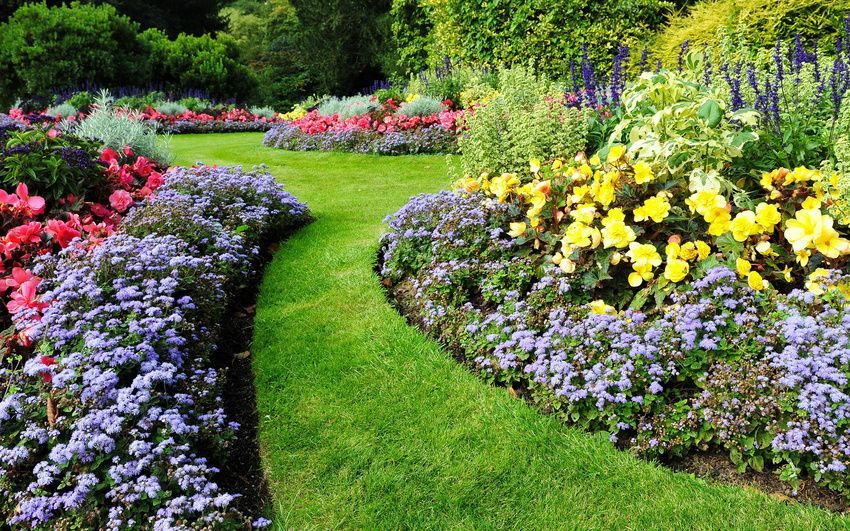
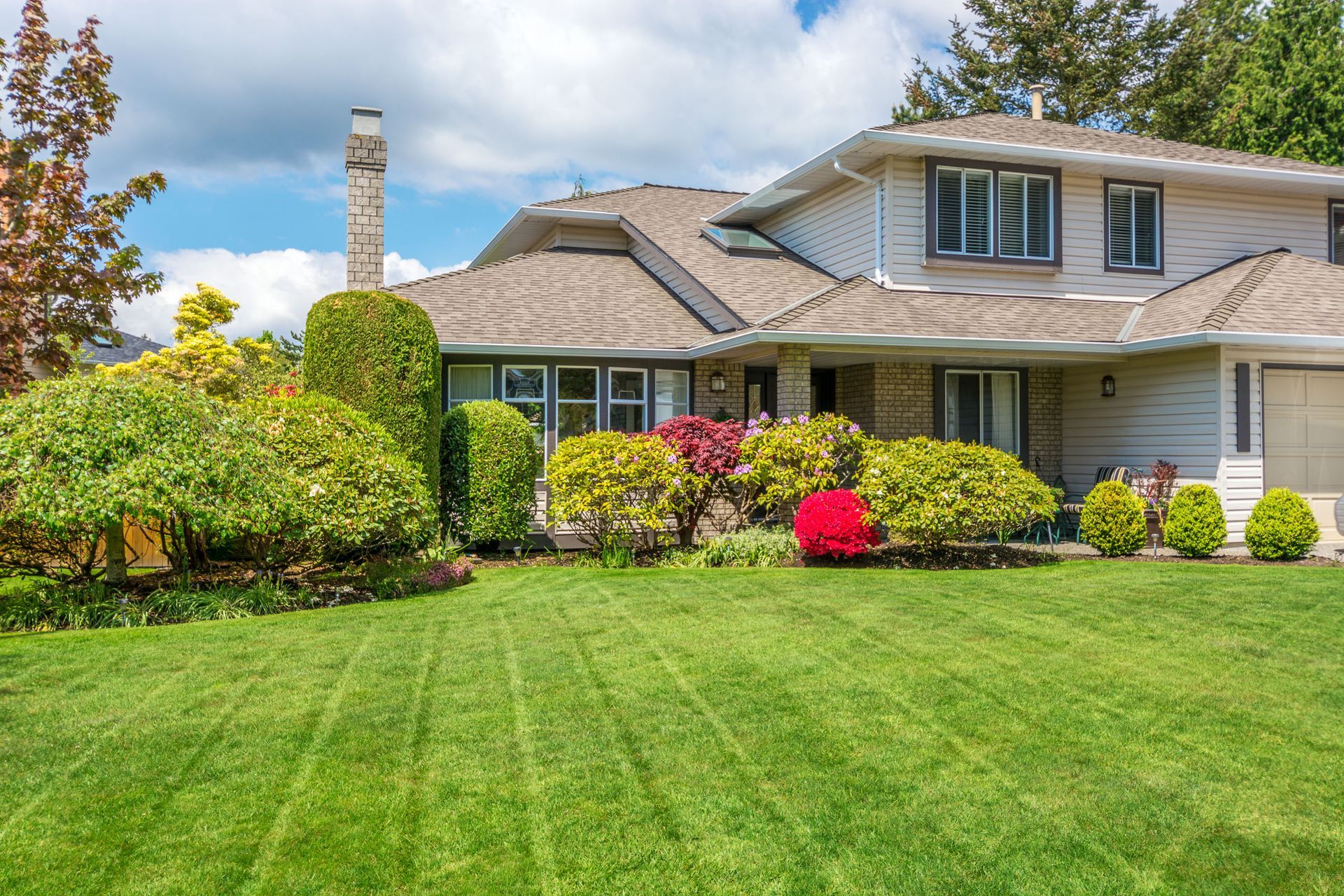
Achieving a balance between visual appeal and material functionality is a critical design goal in landscaping. While aesthetics often drive initial design decisions, they must be tempered by the practicality of material performance. Applying a cohesive color palette and integrated design elements can elegantly unify aesthetics with function. Materials should not only complement plantings and structures but also withstand environmental conditions. Well-designed landscaping isn’t just about appearance—it also contributes directly to property value. According to RubyHome, well-done landscaping can increase a home’s value between 5.5% - 12.7%. This makes it even more important to choose materials and layouts that are both attractive and durable. This alignment results in landscapes that are not only visually pleasing but also practical, long-lasting, and financially beneficial.
Incorporating Eco-Friendly and Sustainable Material Options
Utilizing Recycled and Reclaimed Materials
Integrating recycled and reclaimed materials into landscape designs is a sustainable practice that aligns with eco-conscious objectives. Such materials reduce environmental impact by minimizing resource extraction and waste production. Recycled materials like plastic, refurbished wood, and stone offer durable options that align with sustainable principles. Selecting recycled hardscape solutions supports environmental goals and offers economic advantages, often at a reduced system-wide cost. Landscapes built with these considerations contribute meaningfully to global sustainability efforts.
Using Solar and Permeable Surfaces
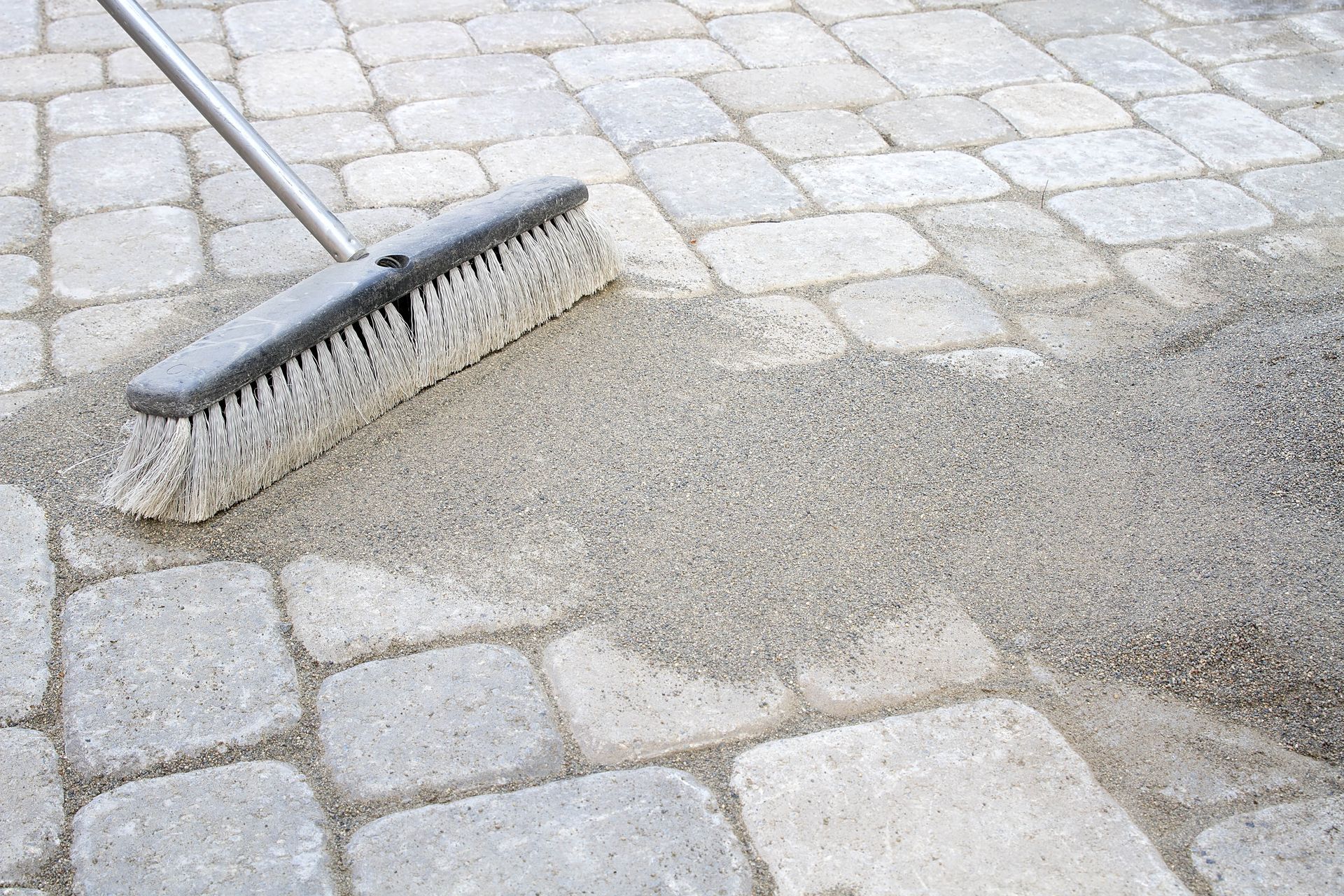
Implementing solar and permeable paving solutions aligns landscape projects with modern sustainability goals. Solar-integrated surfaces capture renewable energy, enhancing landscape functionality beyond aesthetics. Permeable materials support water management strategies, allowing rainwater infiltration and preventing runoff-related issues. By employing these innovative materials, landscapes not only minimize carbon footprints but also support ecosystems. These advancements reflect meaningful contributions toward sustainable urban planning and environmental stewardship.
Reducing Carbon Footprint
Assessing the carbon footprint of landscaping materials addresses broader environmental concerns tied to construction practices. The manufacturing and transportation processes of materials significantly contribute to carbon emissions, affecting global warming potential. Opting for locally harvested materials and efficient transportation methods reduces environmental burdens associated with these factors. By prioritizing low-carbon practices, landscapes advance eco-friendliness and align with global sustainability mandates. A holistic approach involves analyzing all stages of the material lifecycle to support low-impact landscape achievements.
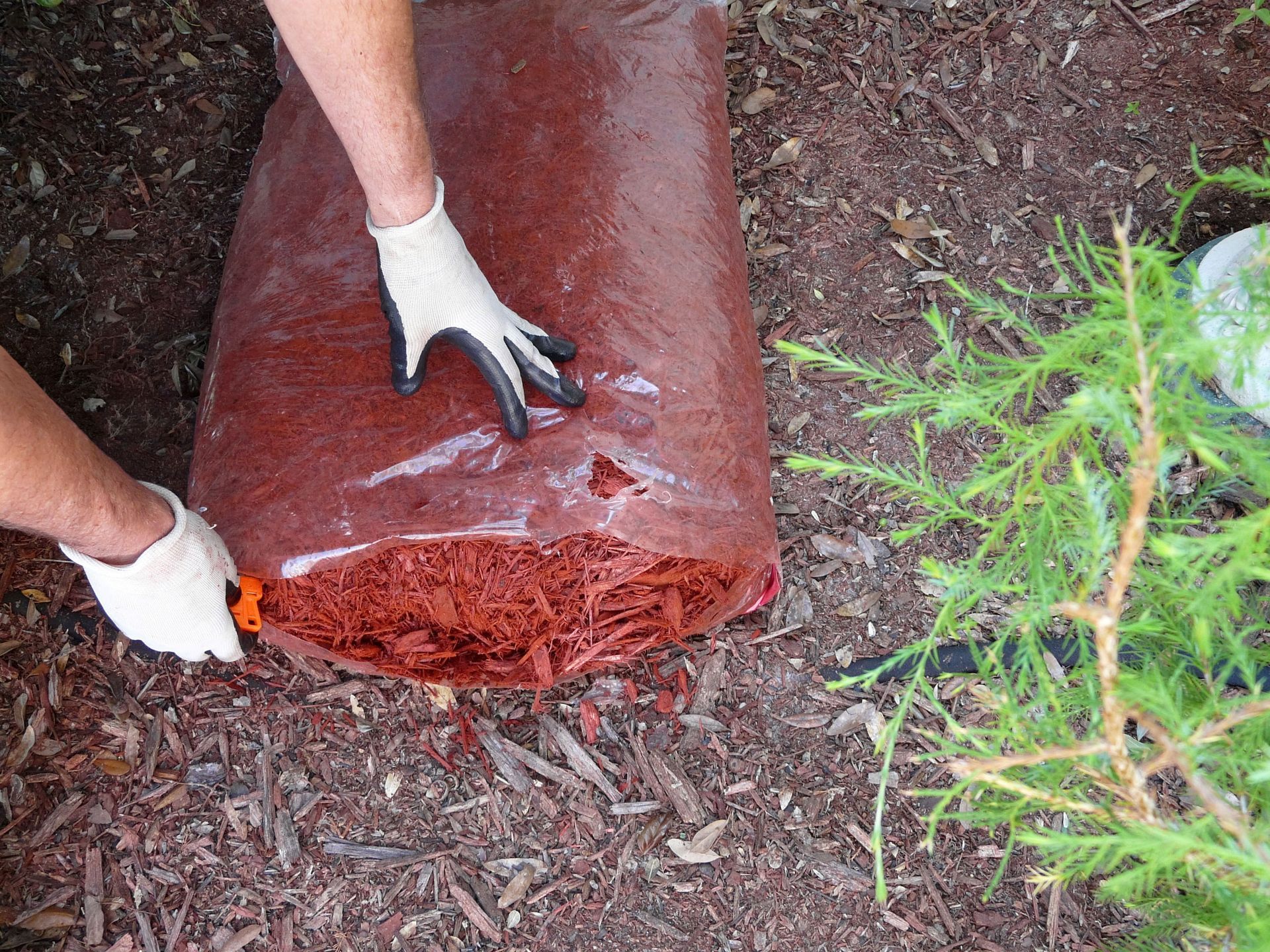
Selecting landscaping materials that align with climate conditions is pivotal for creating sustainable, aesthetically pleasing outdoor environments. Each aspect of the landscape, from hardscape to softscape, contributes to design success and ecological health. For homeowners looking to bring these elements together effectively, partnering with a reliable supplier like Premium Landscape Supply Co can streamline the process and produce long-lasting results. Whether you need soil, stone, gravel, mulch, or other
landscaping materials in Burnet, TX, choosing the right products for the local climate can help create an outdoor space that is both durable and visually appealing.