October 10, 2026
Healthy plants need more than sunlight and regular watering to thrive throughout changing seasons. Soil conditions, temperature fluctuations, moisture levels, and weed growth can all affect the performance of gardens and landscaped areas. Mulch provides a protective layer over the soil that can help create more stable growing conditions around plants. It can also improve the appearance of flower beds, tree rings, and other landscaped spaces by creating a clean and finished look. Homeowners and property managers can choose from several mulch materials depending on their landscape needs and preferences. Using mulch correctly can help reduce maintenance demands while supporting healthier soil and plant growth. The right material and application depth are important because excessive or insufficient mulch can create its own problems. Understanding the benefits of mulch can help property owners make better decisions when maintaining their outdoor spaces.
Protecting Soil From Temperature Changes
Soil temperature can fluctuate significantly as outdoor conditions change throughout the year. Extreme heat can cause soil to dry quickly, while cold temperatures can expose plant roots to stressful conditions. A layer of mulch helps insulate the soil by creating a barrier between the ground and changing outdoor temperatures. This protection can help moderate temperature swings around plant roots during hot summers and colder periods. Mulch can include materials such as wood chips, bark, straw, and other organic options that provide different levels of insulation. Applying an appropriate layer around plants can help maintain a more consistent environment beneath the surface. However, mulch should not be piled directly against tree trunks or plant stems because excessive moisture can contribute to decay and other problems. Proper placement allows the material to provide insulation while maintaining healthy conditions around the plant.
Conserving Moisture Around Plants
Water is essential for plant growth, but exposed soil can lose moisture quickly through evaporation. This can become especially challenging during hot weather or extended periods without rainfall. Mulch helps slow evaporation by covering the soil and reducing direct exposure to sunlight and wind. As a result, moisture can remain available around plant roots for longer periods between watering. Mulch gives property owners access to materials that can be used to improve moisture retention in gardens and landscaped areas. Organic materials may also gradually break down and contribute organic matter to the soil over time. Even with mulch in place, plants still need appropriate watering based on their species, location, and seasonal requirements. Combining proper irrigation with a suitable mulch layer can help plants maintain more consistent access to moisture.
Reducing Weed Growth in Garden Beds
Weeds compete with desirable plants for sunlight, water, nutrients, and growing space. Allowing weeds to spread throughout garden beds can increase maintenance requirements and make it harder for ornamental plants to thrive. Mulch creates a physical barrier that can make it more difficult for many weed seeds to reach the surface and establish themselves. A sufficiently deep layer can also block some sunlight from reaching emerging weeds. Mulch can provide an effective material for covering exposed soil around shrubs, flowers, trees, and other established plants. Existing weeds should generally be removed before mulch is applied so that the material does not simply cover active growth. Weed seeds can still germinate on top of mulch when they are introduced by wind, birds, or other sources. Regular observation and occasional removal of emerging weeds help maintain the benefits of a mulched planting area.
Supporting Healthier Soil Conditions
Organic mulch can contribute to soil improvement as it gradually decomposes. As natural materials break down, they can add organic matter to the soil and support a healthier growing environment. This process can improve soil structure over time and help create conditions that are more favorable for plant roots. Different mulch materials decompose at different rates, so homeowners should select products based on the needs of their landscapes. Mulch may include several organic options that provide both protective and soil-building benefits. Soil improvement is particularly valuable in landscaped areas where plants remain in the same location for several growing seasons. Homeowners should avoid using contaminated or unsuitable materials that could introduce unwanted substances into the soil. Choosing quality mulch and replenishing it when necessary can help maintain the protective layer while supporting long-term soil health.
Preventing Soil Erosion and Compaction
Rainfall and irrigation can gradually disturb exposed soil, particularly on slopes or areas where water moves quickly. Heavy rainfall can wash away loose soil and expose plant roots, while repeated foot traffic can compact planting areas. Mulch helps shield the soil surface from the direct impact of falling rain and can reduce the movement of loose particles. It can also discourage unnecessary foot traffic through garden beds by creating a visible boundary between planting areas and walkways. Mulch can be used to cover exposed areas where erosion or surface disturbance is a concern. Applying mulch evenly helps protect the soil without creating excessively thick areas that could interfere with water movement. Landscapers should also consider drainage patterns before applying large quantities of material to sloped or low-lying locations. A properly planned mulch layer can contribute to more stable soil conditions while complementing other erosion-control practices.
Creating Better Conditions for Plant Roots
Plant roots depend on suitable moisture, temperature, oxygen, and soil conditions to develop properly. Exposed soil can experience rapid drying and temperature fluctuations that place additional stress on shallow roots. Mulch helps create a more stable layer above the root zone and can reduce some of these environmental stresses. Organic mulch may also gradually contribute nutrients and organic matter as it decomposes. Mulch can therefore serve both a practical and decorative purpose when applied correctly around established plants. The material should be distributed evenly while leaving appropriate space around trunks, stems, and other sensitive plant structures. Excessive mulch depth can restrict airflow and retain too much moisture, so more is not always better. Maintaining an appropriate layer helps provide protection without creating conditions that interfere with healthy root development.
Improving Landscape Appearance and Organization
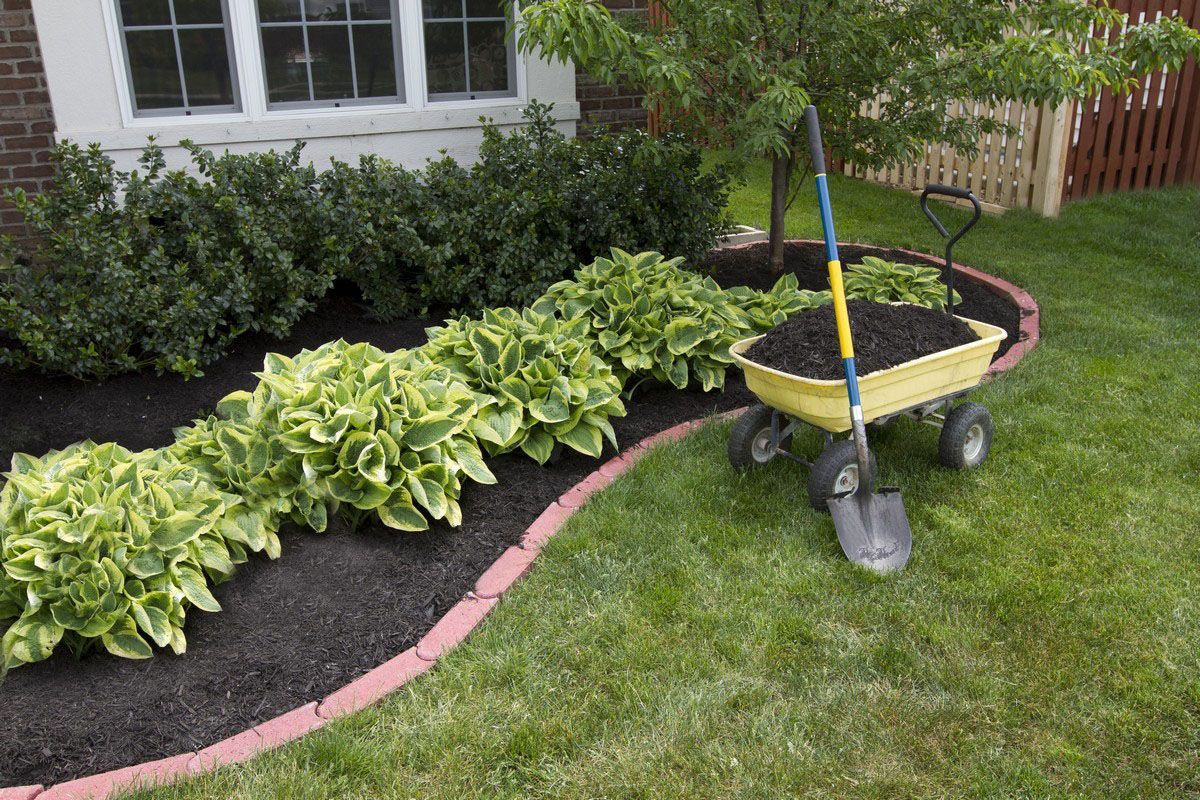
Mulch can make landscaped areas appear cleaner, more organized, and easier to maintain. Consistent coverage helps define flower beds, tree rings, pathways, and other planting areas. Different colors and textures can also complement the appearance of plants, hardscaping, and exterior structures. Mulch is available in various materials and appearances, allowing property owners to select an option that fits their landscape design. Fresh mulch can create a finished appearance while covering exposed soil and helping separate plants from surrounding lawn areas. According to Lawn Love, wood chips and bark mulch typically last two to three years before they need to be replaced. Maintaining consistent coverage is important because thin or uneven areas can reduce both the visual and functional benefits of the material. Property owners should periodically inspect beds for areas where mulch has shifted, decomposed, or washed away. Reapplying material when needed helps preserve a neat appearance while continuing to protect the underlying soil.
Mulch can provide several benefits that support healthier plants and more manageable landscapes throughout the seasons. It can help conserve moisture, moderate soil temperatures, reduce weed growth, protect against erosion, and contribute organic matter as certain materials decompose. Proper application is important because the wrong material or excessive depth can interfere with the very plants the mulch is intended to protect. Premium Landscape Supply Co can help property owners select suitable landscaping materials for their gardens, planting beds, and outdoor projects. Choosing the right product can make routine landscape maintenance more manageable while supporting the appearance and condition of outdoor spaces. Contact us to discuss your landscaping needs and find the mulch and landscape materials that fit your project.