October 9, 2026
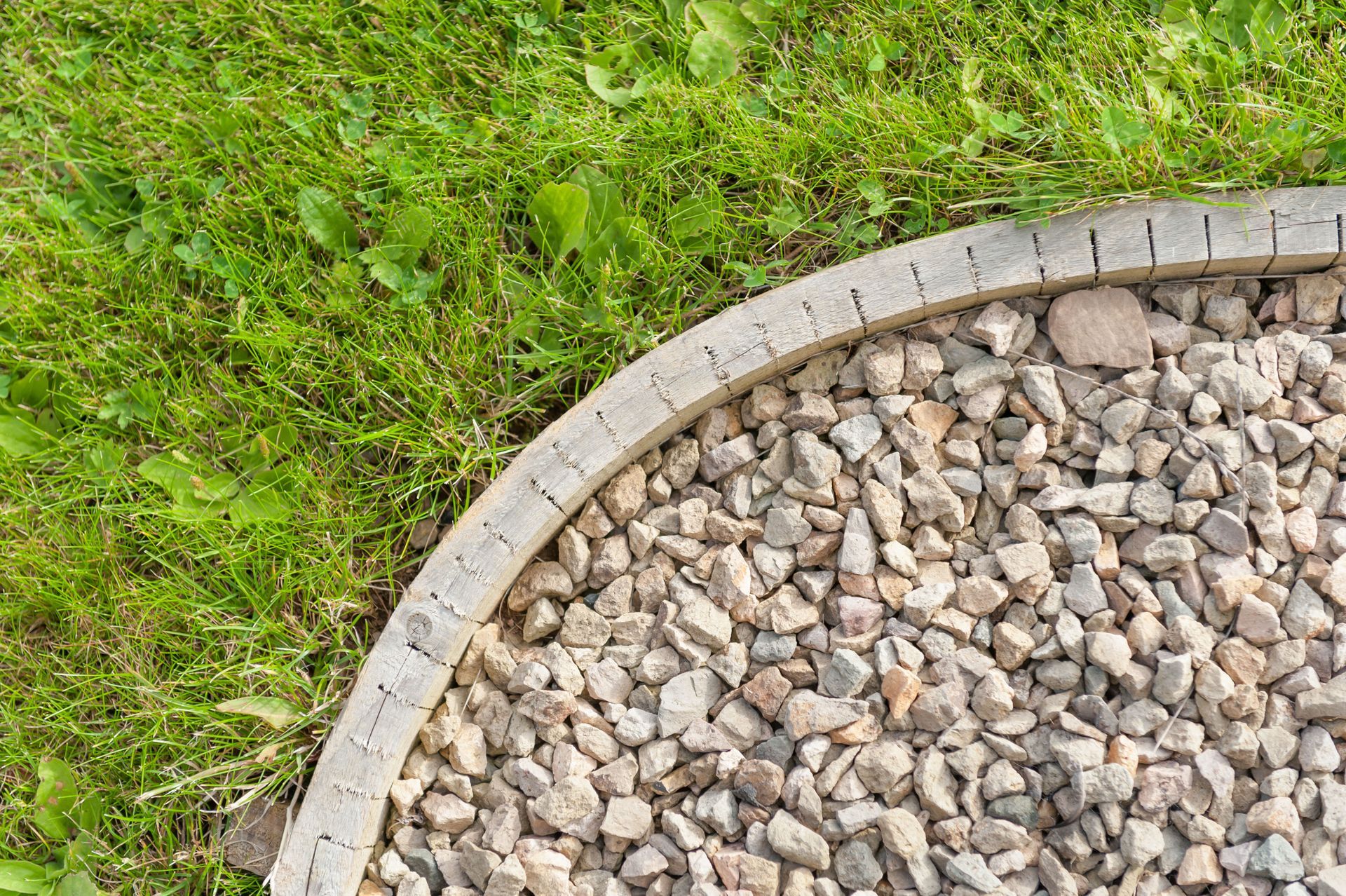
Gardening has long been a favorite pastime, providing homeowners with vibrant lawns and lush flower beds. Recently, however, a shift toward gravel gardens is taking root, transforming how homeowners approach landscaping. Landscaping gravel in gardens, characterized by their use of stones and drought-resistant plants, is becoming popular due to their aesthetic appeal and functional benefits.
Streamlining Outdoor Care
Gravel gardens are notably water-efficient, making them an ideal option for environmentally conscious homeowners. Traditional gardens, with their vast expanses of turf and thirsty plants, can consume copious amounts of water. In contrast, gravel gardens utilize drought-tolerant species that thrive with minimal hydration. According to Today's Homeowner, gravel gardens need as much as 80% less maintenance than typical gardens, making them an ideal pick for busy property owners. Furthermore, the reduced demand for irrigation translates into lower water bills for gardens made of landscaping gravel.
Suppressing Unwanted Weeds
Weeds can be a gardener's nemesis, requiring constant vigilance and effort to keep under control. Gravel gardens offer a reprieve by naturally inhibiting weed growth through their design. The arrangement of stones creates a physical barrier, making it difficult for unwanted plant species to penetrate the soil below. Whether spread over a large area or accenting specific parts of a yard, the presence of stone minimizes the labor associated with traditional weed control. Often, homeowners find they no longer need to rely on harsh chemicals or labor-intensive practices. With less competition for nutrients and sunlight, cultivated species flourish without interference. This results in an orderly aesthetic with minimal intervention.
Enhancing Structural Longevity
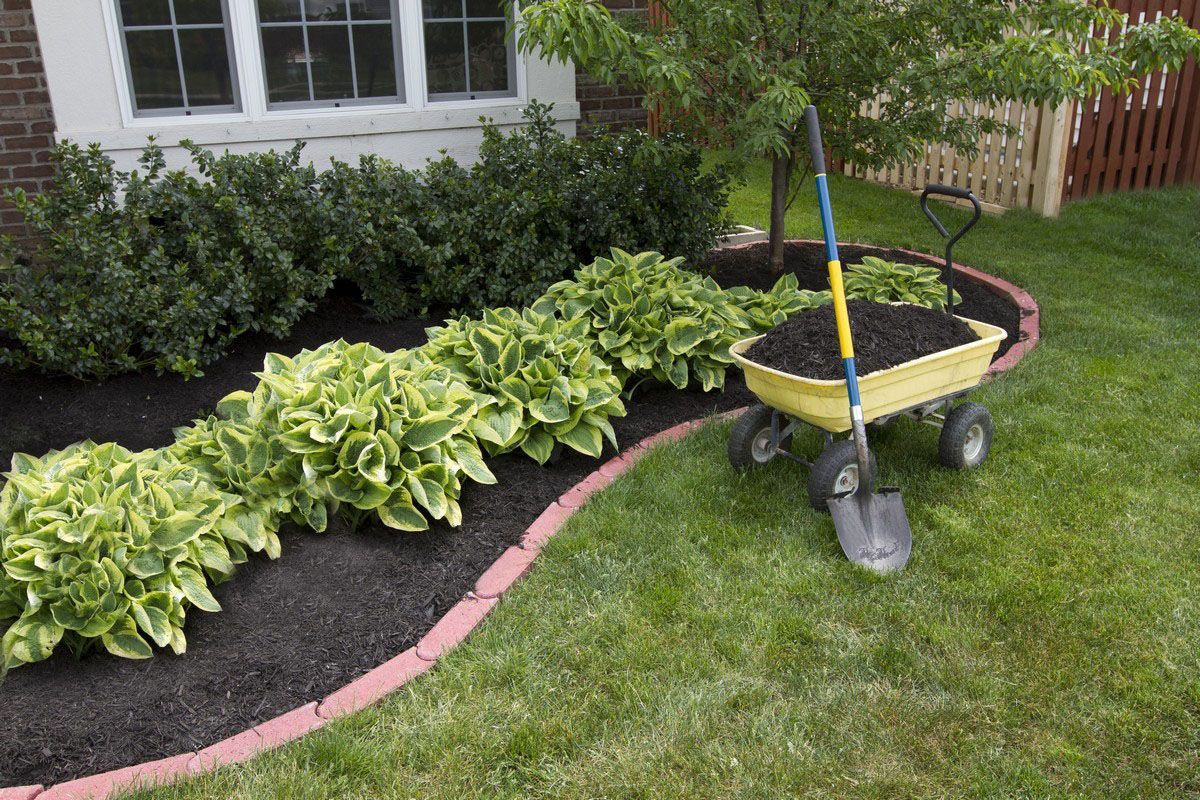
The robust nature of gravel gardens makes them a durable landscaping choice for the long term. The materials used, including stones and hardy plants, withstand the test of time with little need for replacement or repair. Unlike organic mulch, stone materials do not decompose, maintaining their effectiveness as a ground cover year after year. Incorporating high-grade landscaping gravel keeps ground coverage uniform, preventing shifting and erosion even under heavy foot traffic or severe atmospheric conditions.
Deterring Common Pests
One of the distinct advantages of gravel gardens is their ability to deter pests that commonly plague traditional gardens. Many pests thrive in moist, organic-rich environments, where they find ample food and shelter. In contrast, gravel gardens offer fewer incentives for such pests, as the lack of organic material limits their habitat and food sources. Consequently, homeowners experience fewer pest-related issues without the need for synthetic pesticides or chemical interventions. By minimizing the presence of nuisance species, gravel gardens support a low-maintenance lifestyle while promoting a healthier, safer environment for families and pets.
Simplifying Installation Steps
Setting up a gravel garden is a straightforward process that most homeowners can undertake easily. The process begins with selecting an appropriate site, followed by clearing the area of existing vegetation. Once the ground is prepared, a weed barrier is laid down to prevent future growth underneath the stones. The entire installation process typically spans a few days, depending on the size and complexity of the design, yielding immediate structural stability and beauty that lasts for years.
Promoting Ecological Savings
Gravel gardens are a beacon of water conservation, offering a tangible way to reduce water consumption in residential landscaping. This becomes increasingly important in areas where water scarcity is a pressing issue and for homeowners eager to lessen their environmental impact. Reduced irrigation needs also mean a decreased draw from municipal water sources, lessening the burden on public infrastructure. This conscious use of water resonates with homeowners who value sustainable living and wish to incorporate eco-friendly principles into their home environment, setting impressive new standards for residential neighborhoods.
Improving Natural Drainage
The design of gravel gardens inherently supports superior drainage compared to traditional gardens. By using stone aggregates, homeowners benefit from a natural filtration system where water passes through quickly and efficiently. This prevents the common issues of waterlogging and soil compaction associated with dense, clay-rich soils often found in conventional garden designs. Utilizing landscaping gravel keeps water moving freely, mitigating surface puddles and encouraging deeper root hydration throughout the plot.
Supporting Local Wildlife
Although gravel gardens may initially seem barren to some, they actually serve as excellent platforms for fostering local biodiversity. By selecting native and drought-resistant plant species, these gardens create thriving habitats for a range of wildlife adapted to specific local conditions. The implementation of diverse planting schemes brings an array of pollinators, birds, and beneficial creatures into gardens, enhancing local ecological balance. By providing stable food sources and safe resting grounds, gravel gardens promote biological diversity while offering homeowners a captivating view of nature right outside their back door.
Protecting Soil Integrity
Gravel gardens contribute to long-term soil health by maintaining structural integrity and conserving essential nutrients. The stone layer reduces erosion, which often strips soil of its top layer and vital organic nutrients necessary for plant growth. By stabilizing pH levels and guarding against compaction, stone ground covers protect underground ecosystems and support healthy biological activity. The stability provided by gravel gardens extends rich ecological benefits to the surrounding landscape, offering a proactive solution that aligns with modern environmental priorities and long-term garden health.
Minimizing Chemical Reliance
Gravel gardens necessitate far fewer chemical inputs than traditional gardens, offering a cleaner, greener alternative for property management. The reduction in pests and weeds inherent in gravel gardens means homeowners typically have less reliance on synthetic fertilizers, herbicides, and pesticides. Homeowners gain peace of mind knowing that their landscape practices are completely safe for families, pets, and surrounding wildlife communities.
Maximizing Long-Term Value
The economic advantage of gravel gardens is evident when comparing initial and ongoing costs against traditional lawn layouts. While the upfront investment in materials might require dedicated budgeting, it is quickly offset by extensive savings in upkeep and resource utilization. Homeowners observe tangible savings in reduced water bills, decreased need for commercial lawn care products, and lower power equipment usage. Integrating landscaping gravel reduces high repeat expenses, giving homeowners a durable, budget-friendly option that maintains its rich visual value without demanding constant financial infusions.
Lowering Utility Expenses
One of the primary financial benefits of installing a gravel garden is the substantial decrease in monthly water bills. With traditional gardens, sprinklers and automatic irrigation systems often run for long hours to maintain green grass, particularly during hot summers. Beyond personal cost savings, this reduced consumption supports wider conservation efforts, achieving a perfect balance between personal financial savings and responsible environmental management.
Reducing Equipment Overhead
Traditional lawns often come with hefty equipment costs, ranging from costly lawnmowers and trimmers to edging tools and fuel. By minimizing the need for specialized power tools, gravel gardens reduce operational wear and tear, stretching tool utility while lowering equipment clutter. Financial savings are paired with the personal satisfaction of embracing quiet, low-emission gardening practices that keep weekends open for relaxation.
Eliminating Repetitive Costs
Gravel gardens typically require minimal fertilizers and pesticides compared to conventional lawns, supporting both financial savings and environmental protection. This low-input nature means homeowners spend significantly less on seasonal retail garden products, leading to clear savings year after year. Utilizing quality landscaping gravel ensures your property retains its polished design without needing frequent material replacements or costly grass re-seeding treatments.
Securing Lasting Aesthetics
One of the standout financial advantages of gravel gardens is their exceptionally long lifespan, requiring very infrequent replacement of foundational materials. Stone aggregates do not decompose or wash away easily, retaining their protective and aesthetic qualities long after installation. This enduring quality ensures homeowners enjoy stable ground coverage that retains its color and structure through harsh weather. Consequently, landscaping gravel can be viewed as a sound investment for homeowners seeking sustainable landscaping solutions.
Integrating Hardscape Features
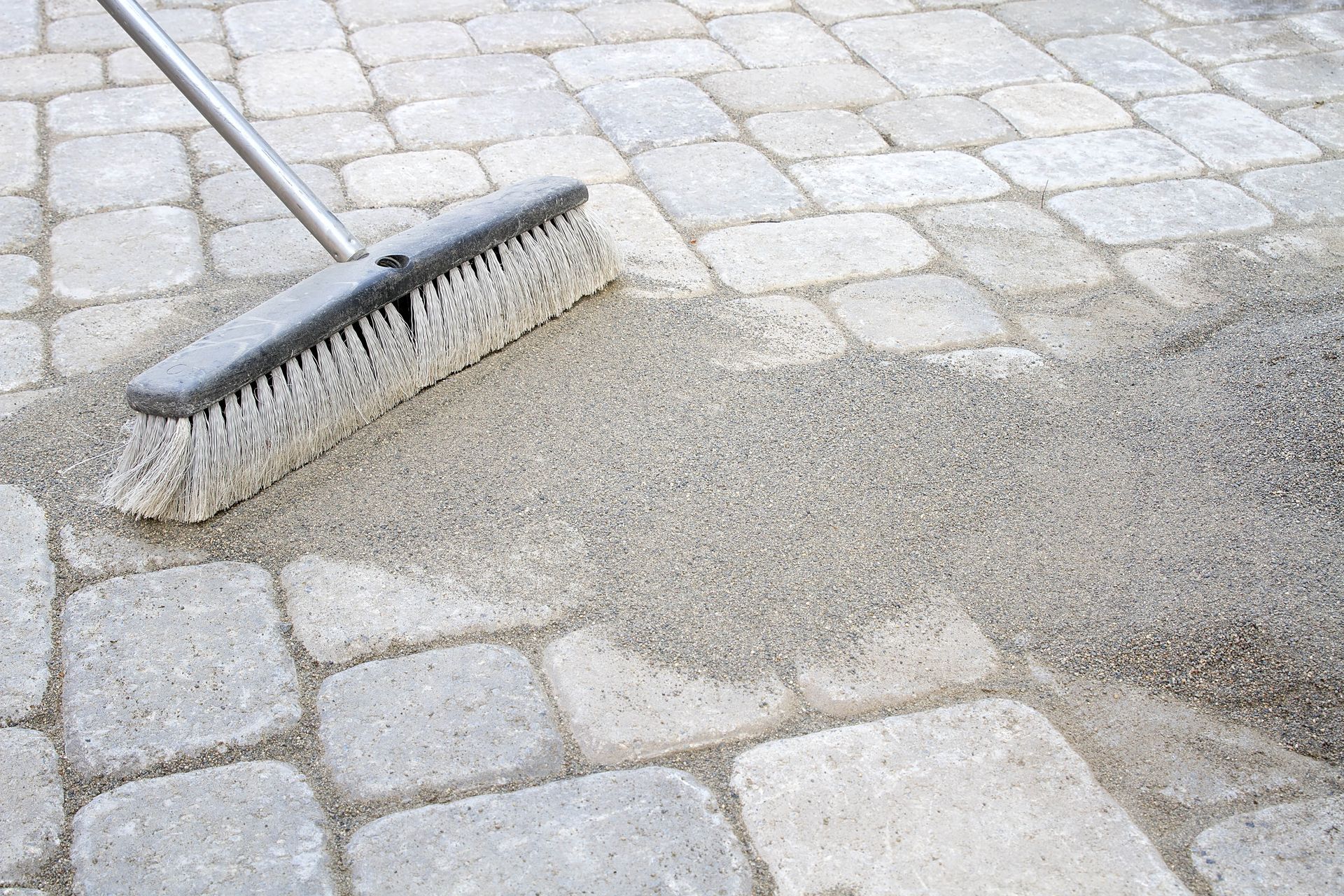
Gravel gardens seamlessly integrate with hardscape features, enhancing a landscape's overall functional and aesthetic appeal. By combining stone surfaces with elements like stone walkways, paved patios, or decorative water features, homeowners can achieve harmonious, multidimensional garden spaces. The versatility of landscaping gravel supports practical outdoor living areas that complement entertaining or relaxing needs without adding maintenance burdens.
Switching to a gravel garden offers a balance of sustainability, striking visual appeal, and unmatched low-maintenance living for modern homeowners. By reducing water usage, eliminating constant lawn chores, and creating a durable landscape that thrives in all seasons, gravel gardens represent a smart investment in your property's future. When you are ready to transform your landscape with top-tier materials, contact on Premium Landscape Supply Co today.