June 5, 2026
Landscaping is not just about creating an aesthetically pleasing outdoor space; it’s also a strategic investment that can significantly boost your home's market value. Thoughtfully designed outdoor areas improve curb appeal, expand usable living space, and enhance environmental efficiency. A well-planned landscape also helps homeowners make better use of landscaping materials, ensuring every design choice contributes to both beauty and long-term durability.
Homeowners are increasingly recognizing landscaping as a key factor in property value. From improved first impressions to functional outdoor living areas, the right design decisions can transform a property into a more attractive and desirable asset in the housing market. Even simple upgrades, when done consistently and with the right materials, can create a noticeable difference in both appearance and long-term resale potential.
1. Enhancing Curb Appeal
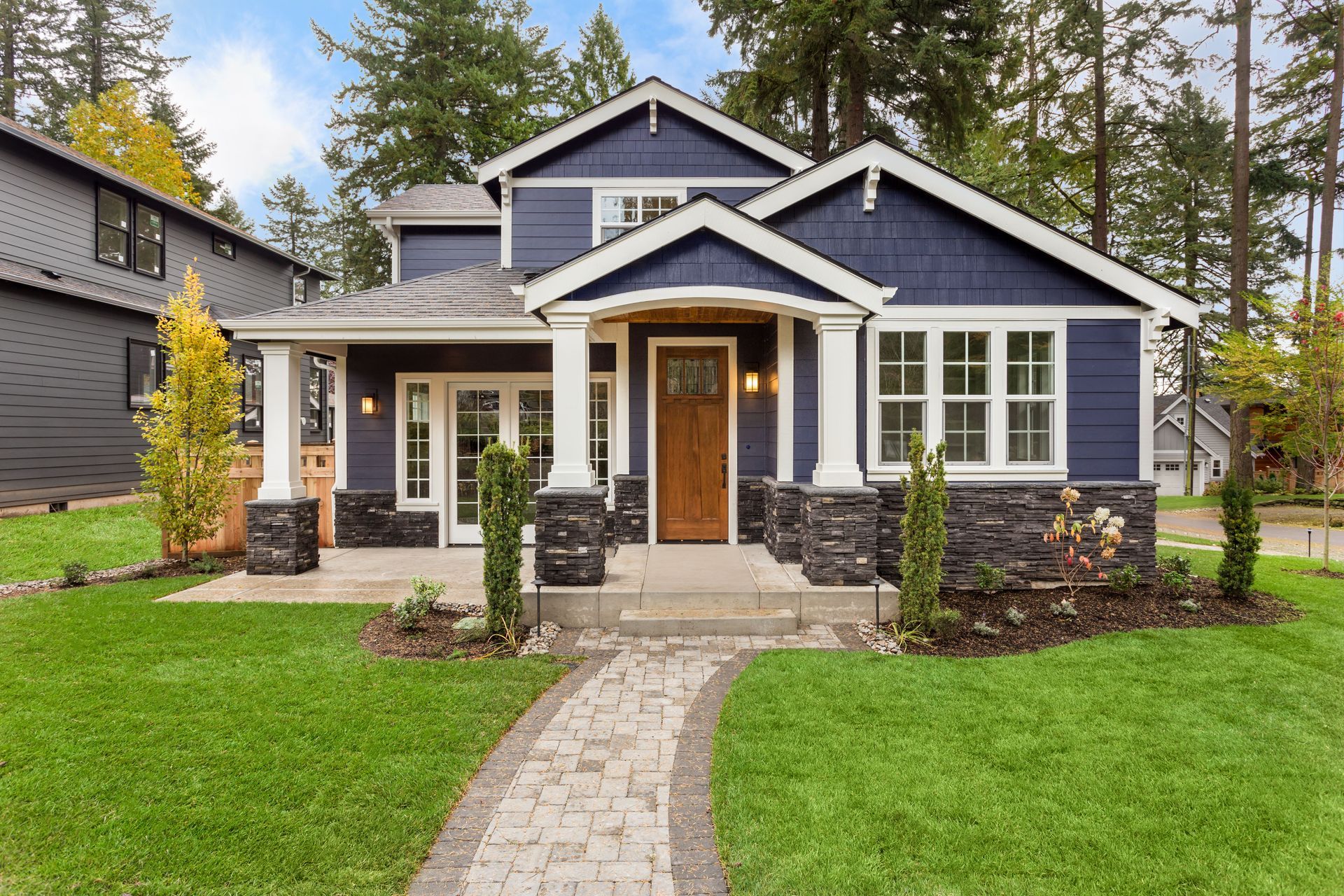
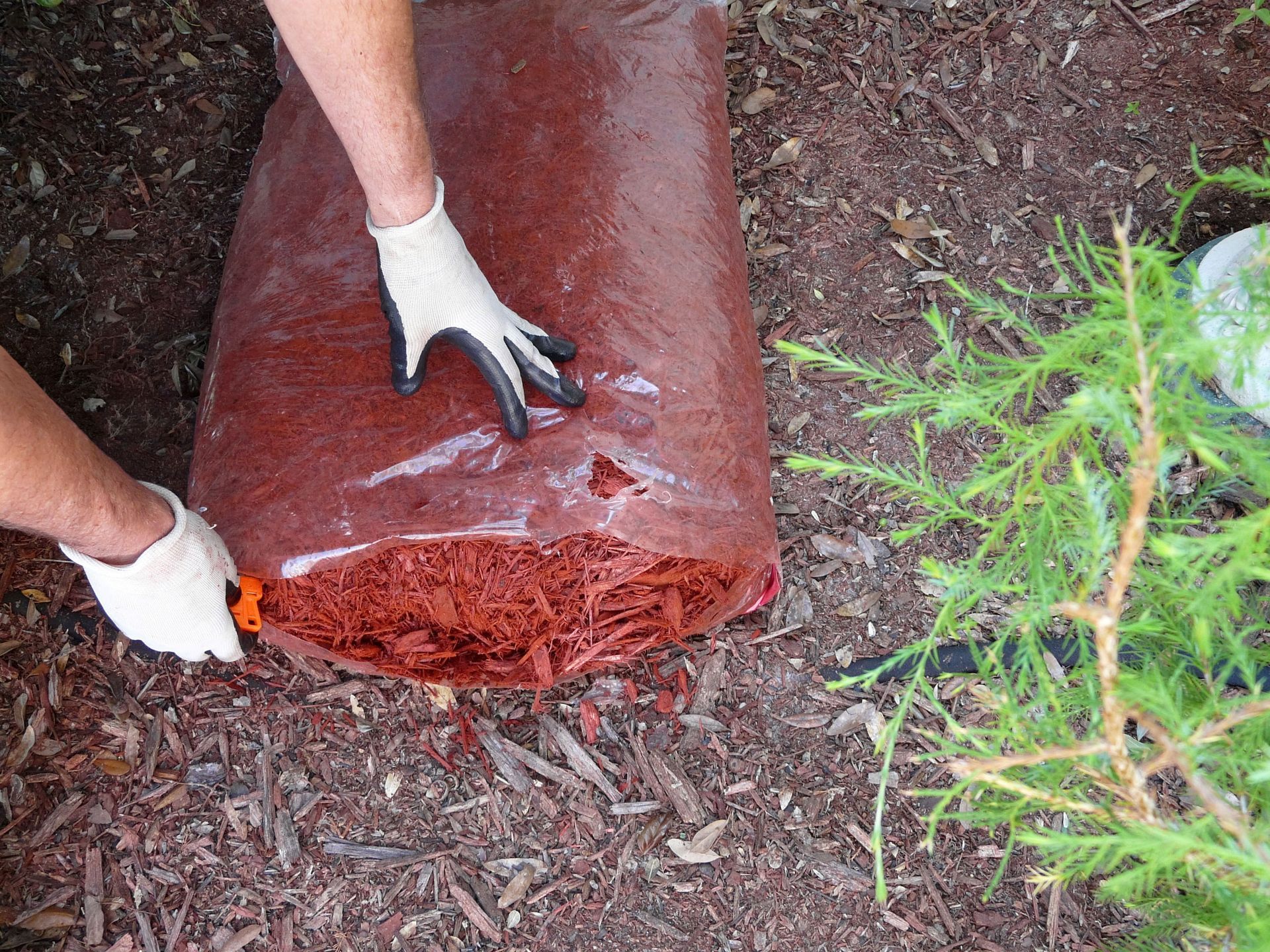
The exterior of a home is the first thing potential buyers notice, and landscaping plays a central role in shaping that impression. A clean, vibrant yard with thoughtful design immediately communicates care and quality. The use of high-quality landscaping materials such as stone borders, decorative mulch, edging, and structured planting beds can elevate the visual impact of any property. A strong first impression often leads buyers to assign higher perceived value to the home before they even step inside.
A well-designed landscape maintains visual appeal throughout the year by incorporating plants that bloom in different seasons. This approach ensures consistent curb appeal, regardless of the time of year. Combining seasonal plantings with durable landscaping materials like stone pathways or edging helps maintain structure and visual interest even when plants are not in bloom.
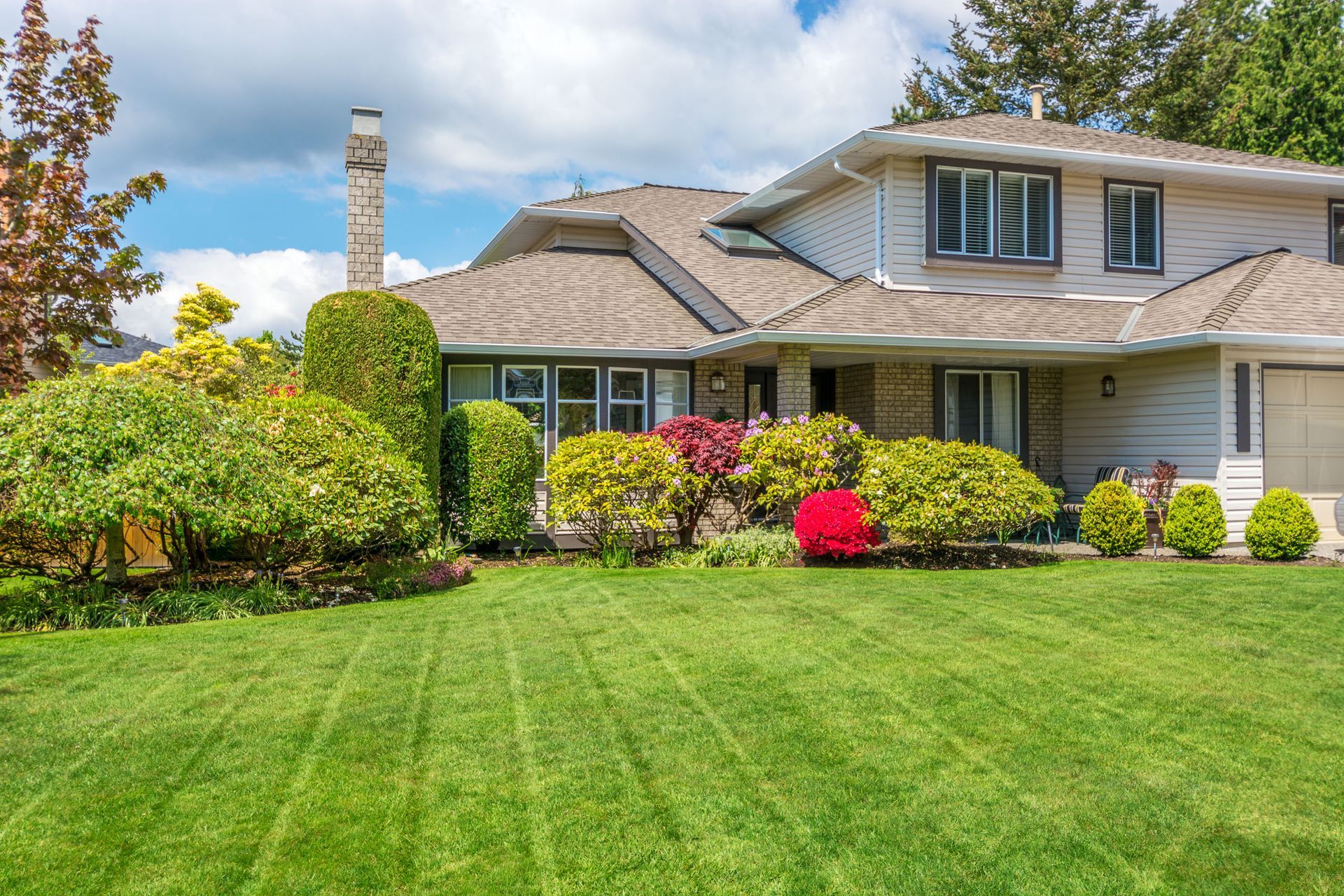
Regular upkeep ensures that landscaping remains attractive and functional. Overgrown grass, weeds, or untrimmed hedges can reduce property appeal quickly. Clean lines, trimmed plants, and refreshed landscaping materials such as gravel or mulch contribute to a well-maintained appearance that signals long-term care and attention. Buyers often interpret this level of maintenance as a reflection of overall home condition, which can directly influence perceived value.
2. Creating Functional Outdoor Living Spaces
Outdoor living spaces significantly increase usable square footage and improve lifestyle appeal. Patios built with durable landscaping materials such as pavers or natural stone create inviting spaces for relaxation and entertainment. These areas extend the home’s functionality beyond its interior walls, making the property more attractive to buyers who value usable outdoor environments.
Outdoor kitchens are increasingly popular for homeowners who enjoy entertaining. When paired with thoughtfully selected landscaping materials, such as stone countertops, built-in seating, and structured flooring, they create a seamless transition between indoor and outdoor living. These features elevate both convenience and perceived luxury, offering a lifestyle upgrade that can strongly influence resale value.
Fire pits and outdoor fireplaces create focal points that encourage gathering and relaxation. Surrounded by durable landscaping materials like stone or brick, these features add warmth, ambiance, and year-round usability to outdoor spaces. They extend the usability of the yard beyond warm months and help define outdoor zones that feel intentional and inviting.
3. Sustainable Landscaping Practices
Using native plants reduces maintenance needs while improving environmental sustainability. These plants thrive in local conditions and often require fewer resources such as water and fertilizers. When combined with eco-friendly landscaping materials, they create efficient and environmentally responsible outdoor spaces that appeal to modern buyers who prioritize sustainability.
Sustainable landscaping often includes water-saving features such as drip irrigation systems and drought-tolerant plants. Incorporating permeable landscaping materials like gravel, decomposed granite, or natural stone also helps manage water runoff while maintaining visual appeal. These materials improve drainage and reduce long-term maintenance requirements, making the landscape more functional as well as attractive.
Healthy soil is the foundation of strong plant growth. Composting enriches soil naturally, reducing the need for chemical fertilizers and improving long-term plant health. Pairing enriched soil systems with organic landscaping materials supports sustainable growth cycles and helps maintain vibrant outdoor spaces that continue to improve over time.
4. Improving Privacy and Comfort
Trees, hedges, and shrubs can be used to create natural privacy barriers that enhance comfort without relying solely on structural fencing. When combined with structured landscaping materials such as stone borders, retaining walls, or decorative edging, they provide both beauty and function while enhancing seclusion.
Pergolas, fences, and screened areas help define private outdoor spaces. These structures often rely on durable landscaping materials to ensure longevity while blending seamlessly into the natural environment. When designed properly, they create outdoor “rooms” that extend the home’s living space while maintaining privacy from neighbors and surrounding streets.
Dense plantings and water features can reduce noise pollution, creating a more peaceful environment. When integrated with carefully selected landscaping materials, these features enhance tranquility and increase property desirability, especially in urban or high-traffic areas where outdoor noise reduction is highly valued.
5. Increasing Energy Efficiency
Strategically placed trees help reduce cooling costs by providing natural shade. This reduces direct sunlight exposure on the home, lowering indoor temperatures and decreasing reliance on air conditioning. Complementing these natural features with heat-resistant landscaping materials like stone patios or reflective gravel surfaces can further improve temperature regulation around the home.
Windbreaks created with trees or shrubs reduce heat loss during colder months by blocking strong winds. Durable landscaping materials used in retaining walls or boundary structures can enhance these protective features while maintaining a cohesive and attractive design. This combination improves comfort while contributing to lower energy consumption throughout the year.
Smart irrigation systems help reduce water waste and improve plant health by delivering precise amounts of water based on weather and soil conditions. When combined with properly graded soil and water-friendly landscaping materials, they create a more efficient and sustainable landscape system that supports both environmental and financial benefits over time.
6. Enhancing Safety and Security
Well-placed lighting improves visibility and enhances nighttime safety, reducing the risk of trips, falls, or security concerns. Lighting features integrated with stone paths or other landscaping materials increase both functionality and aesthetic appeal, creating a balanced outdoor environment that feels safe and welcoming.
Defined walkways help guide movement safely through outdoor spaces while protecting lawns and garden areas from unnecessary wear. High-quality landscaping materials such as pavers, natural stone, or reinforced gravel ensure these paths remain durable, slip-resistant, and visually appealing over time, even in high-traffic areas.
Certain plant selections and structural layouts can discourage unwanted access while maintaining a natural appearance. When paired with strong landscaping materials, these designs create secure yet attractive environments that enhance both safety and privacy without making the property feel closed off or uninviting.
7. Increasing Long-Term Property Value
One of the most overlooked benefits of landscaping is its long-term contribution to property value. Unlike interior upgrades that may become outdated, well-designed outdoor spaces tend to mature and improve over time when properly maintained. The strategic use of landscaping materials plays a major role in this long-term value increase, as durable installations such as stone pathways, retaining walls, and permanent planting beds hold their structure and appeal for years.
As plants grow and landscapes mature, the property often becomes more visually appealing and established, which can increase buyer interest. A well-balanced design that incorporates both softscape elements like plants and hardscape elements made from landscaping materials creates a sense of completeness that buyers often associate with higher-value homes.
Landscaping plays a powerful role in increasing a home’s value by improving curb appeal, functionality, sustainability, privacy, safety, and long-term appeal. According to The Plan Collection, outdoor living spaces can increase your property value by 8% to 12%, demonstrating the immense return on investment. Every design decision, from plant selection to structural layout, becomes more impactful when supported by durable and well-planned landscaping materials.
A thoughtfully designed outdoor space not only enhances daily living but also strengthens long-term property value by creating a cohesive and attractive environment that evolves. Homes with intentional landscaping tend to stand out in the market, offering both emotional appeal and practical advantages that buyers recognize immediately.
For homeowners looking to upgrade their outdoor environment with quality materials and reliable support, Premium Landscape Supply Co is ready to help. Whether you are starting a new project or improving an existing landscape, our selection of landscaping materials can help bring your vision to life with lasting durability, visual appeal, and long-term value. Contact us today!