October 26, 2026
Choosing materials for outdoor spaces involves more than selecting plants and arranging garden beds. Ground coverings influence how a landscape looks, retains moisture, and responds to changing weather. A material that works well around established trees may not be ideal for a vegetable garden, a sloped yard, or an area exposed to frequent foot traffic. Homeowners also need to consider maintenance, drainage, color, and the appearance they want to achieve. Selecting the right mulch can help bring these priorities together while supporting healthier planting areas. Understanding the differences between available products makes it easier to choose a practical option that complements the property and fits the amount of upkeep homeowners can provide.
1. Identifying the Needs of Your Landscape
Before comparing products, examine the areas where ground covering will be installed. Flower beds, shrubs, trees, and pathways may have different requirements. A sunny garden bed can lose moisture quickly, while a shaded location may remain damp for longer periods. Soil texture, drainage patterns, and nearby structures also affect how materials perform. Looking at these conditions first helps prevent choosing a product based only on its appearance.
Consider how each space is used throughout the year. Beds near entrances may need a neat, consistent finish, while planting areas farther from the house may benefit from a more natural appearance. Note existing weeds, erosion concerns, and the amount of maintenance you can realistically manage. These observations provide a useful starting point when discussing material options with a landscape supplier.
2. Comparing Organic and Inorganic Materials
Ground coverings generally fall into organic and inorganic categories. Organic mulch choices include shredded bark, wood chips, pine needles, and composted materials. As these products gradually decompose, they contribute organic matter to the soil. Their appearance and texture change over time, however, so periodic replenishment is usually necessary. The rate of breakdown depends on the material, weather, and conditions in the planting bed.
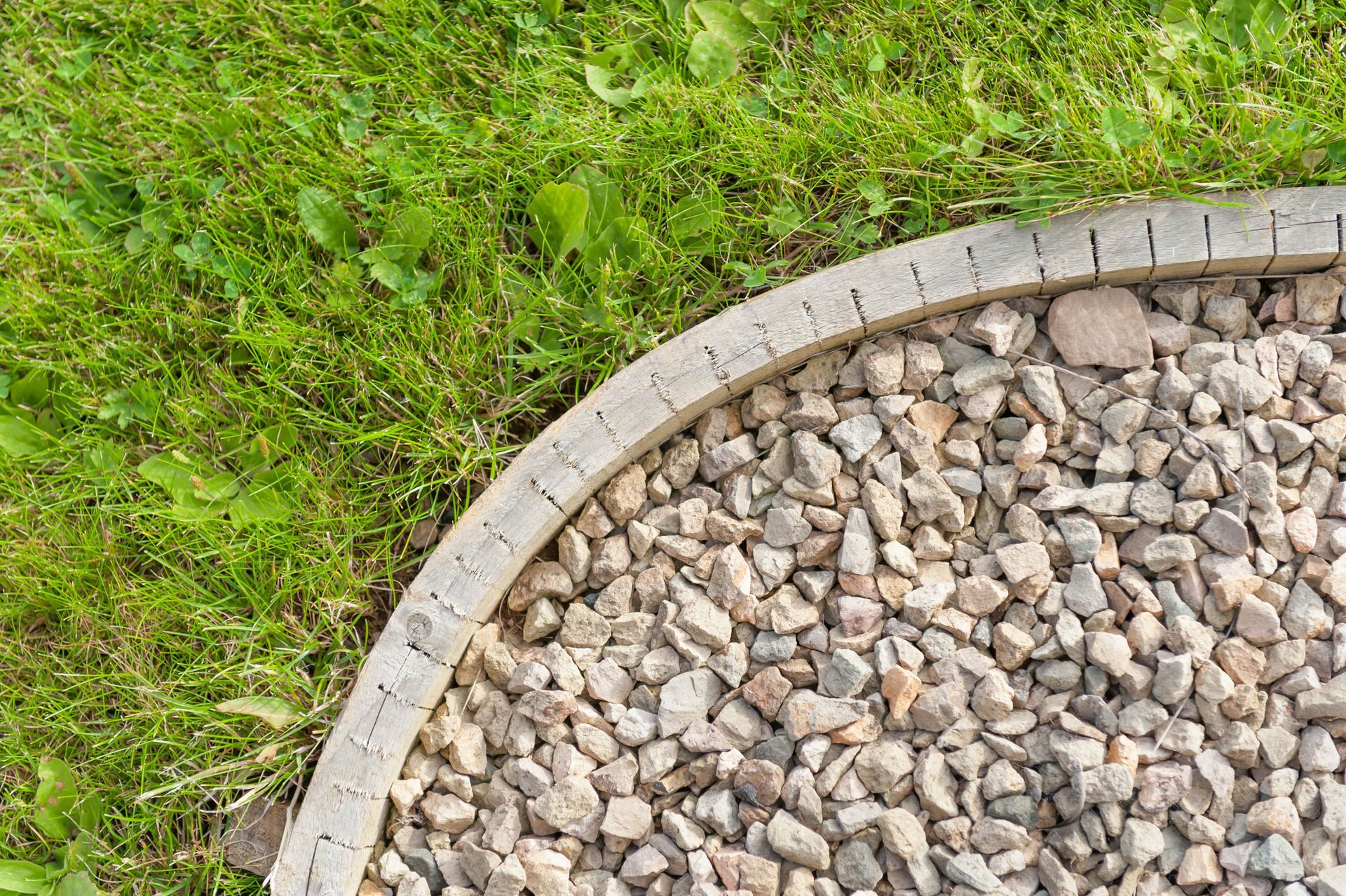
Inorganic options, including gravel and decorative stone, do not break down in the same way. They can provide a long-lasting surface in suitable locations, but they may absorb heat and make future planting changes more difficult. Stone also does not contribute organic matter to the soil. Choosing between these categories requires considering plant needs, local temperatures, installation effort, and the desired landscape style.
3. Evaluating Wood-Based Options
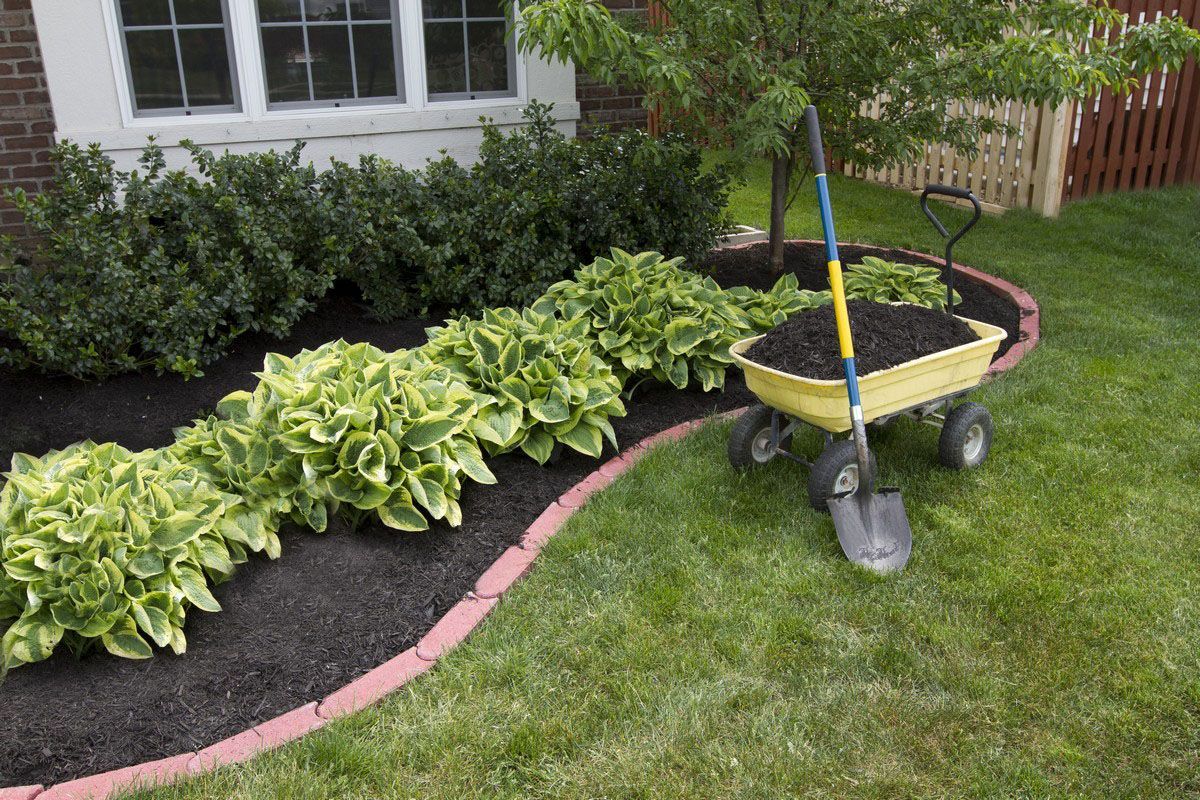
Wood-based products are commonly used around trees, shrubs, and ornamental planting beds. Shredded bark can form a relatively uniform layer, while larger wood chips create a more textured appearance. Different species and processing methods produce variations in color, particle size, and decomposition rate. These differences can influence how the material settles and how often it needs to be refreshed.
When selecting wood mulch, consider whether the area receives heavy rainfall or sits on a slope. Finer pieces may shift or wash away under certain conditions, while larger pieces can behave differently depending on the site. Look for material suited to landscape use and avoid piling it directly against trunks or plant stems. Leaving a small gap helps prevent prolonged moisture contact around sensitive plant tissue.
4. Considering Color and Visual Consistency
Ground covering is a prominent part of many landscape designs. Dark tones can contrast with bright flowers and light-colored siding, while natural brown shades often blend with trees and established planting beds. The right choice depends on the home's exterior, existing hardscaping, and the overall style of the yard. Color should complement the landscape rather than compete with its most important features.
According to This Old House, 51% of homeowners report that improving the appearance of their outdoor spaces is their primary motivation for making upgrades. That interest makes appearance an understandable priority, but color should not be the only deciding factor. Some products fade as they weather, and replacement batches may differ slightly in shade. Viewing samples outdoors and considering how they will look after several months can help homeowners make a more satisfying choice.
5. Managing Moisture and Soil Temperature
A suitable covering can help slow evaporation from exposed soil, particularly during warm or windy weather. It may also moderate temperature changes near plant roots. These benefits depend on the material, layer depth, soil type, and local climate. A thick layer is not automatically better: excessive coverage can interfere with water movement or keep certain areas too wet.
Applying mulch at an appropriate depth helps balance moisture retention with airflow around plants. Homeowners should consider the needs of the species growing in each bed and check soil moisture rather than watering on a fixed schedule alone. Areas that drain poorly may require special attention before additional material is added. Thoughtful installation supports healthy growing conditions without creating avoidable moisture problems.
6. Limiting Weeds and Protecting Soil
Weeds often establish themselves where bare soil receives sunlight and competing plants leave open space. A properly maintained covering can reduce light reaching the soil surface and make some weeds less likely to germinate. It will not eliminate every unwanted plant, especially persistent species that spread through roots. Existing weeds should be addressed before a new layer is installed.
Mulch can also help protect exposed soil from the direct impact of heavy rain. On suitable sites, this may reduce surface disturbance and help maintain a tidier planting bed. Slopes and drainage channels require additional planning because loose material can move during storms. Homeowners should inspect beds periodically, remove emerging weeds, and restore thin spots rather than assuming one application will solve every problem.
7. Calculating Coverage and Installation Depth
Buying the correct amount of material helps control costs and reduces leftover supplies. Begin by measuring the length and width of each planting bed, then calculate its approximate area. Irregular beds can be divided into smaller shapes for easier estimates. The desired depth determines the total volume required, so measurements should be completed before placing an order.
For example, covering 100 square feet to a depth of three inches requires about 25 cubic feet, or just under one cubic yard. Actual needs may vary because of uneven ground and existing material. Ask the supplier how products are sold and whether delivery is available. Spread material evenly, keep it away from building siding and plant crowns, and avoid burying shallow-rooted plants beneath excessive layers.
8. Planning for Ongoing Maintenance
Even a carefully chosen product needs occasional attention. Organic coverings settle and decompose, while wind, rain, and routine gardening can shift material away from its original location. Leaves and debris may accumulate on the surface, changing the appearance of the bed. Checking conditions periodically makes it easier to decide whether a light refresh is sufficient or a more thorough cleanup is needed.
Before adding new mulch, examine the depth of the existing layer. Repeatedly adding material without checking can create excessive buildup around plants and trees. Rake compacted areas gently where appropriate, remove unwanted growth, and replenish only where coverage has become thin. A simple maintenance plan can preserve the intended appearance while keeping long-term costs and labor more predictable.
Choosing a landscape covering involves balancing appearance with the practical needs of plants and soil. Organic and inorganic products differ in texture, longevity, temperature response, and maintenance requirements. Considering the site's sunlight, drainage, slope, and planting arrangements helps narrow the options. Homeowners can also compare colors, estimate coverage carefully, and plan for future replenishment before making a purchase. Proper installation matters just as much as the product itself, particularly around tree trunks, plant stems, and areas where water collects. With thoughtful selection and routine attention, garden beds can remain attractive and easier to maintain through changing seasons. For help choosing suitable mulch and landscape materials for your property, contact Premium Landscape Supply Co today.