December 22, 2025
The foundation of any thriving garden or lush landscape is its soil. Many homeowners often overlook the potential that lies beneath their feet, focusing more on the visible elements of landscaping. However, investing in the health and quality of your landscape soil can yield significant benefits not only for plant growth but also for property value and environmental sustainability. By understanding and improving the soil, you can turn your property into a thriving paradise while reducing maintenance costs. This article explores the numerous ways in which healthy landscape soil can transform your property, from enhancing plant health to economic benefits.
Understanding Soil Composition
Components of Healthy Soil
Healthy soil is comprised of a balanced mix of minerals, organic matter, air, and water. These components are essential for creating a supportive environment for plant roots, providing the necessary nutrients for growth. Minerals like sand, silt, and clay each play a role in defining the soil's texture and its ability to hold water. Organic matter, including decomposed plant material and living organisms, contributes to soil fertility and structure. The presence of air and water within soil pores is crucial for root respiration and nutrient uptake.
The Role of Microorganisms
Microorganisms, such as bacteria and fungi, are vital to soil health, acting as decomposers and nutrient recyclers. These tiny organisms break down complex organic substances into simpler compounds, making nutrients accessible to plants. Through their activity, microorganisms improve soil aeration and structure, enhancing root penetration and water infiltration. They also form symbiotic relationships with plant roots, such as the mycorrhizal fungi which extend root networks. By increasing microbial diversity, soil becomes more resilient against pathogens.
Soil pH Levels
Soil pH levels significantly affect the availability of nutrients to plants. A pH that is too high (alkaline) or too low (acidic) can lock nutrients in forms unusable by plants, leading to deficiencies. Most plants thrive in a neutral to slightly acidic pH range, where nutrient availability is optimal. Adjusting the soil pH can be done with amendments like lime for acidity or sulfur for alkalinity. Regularly testing soil pH ensures that your soil remains within an ideal range for healthy plant growth.
Soil Texture and Structure
The texture and structure of soil influence its drainage and root penetration capabilities. Sandy soils, with large particles, drain quickly but struggle to retain nutrients. Conversely, clay soils retain moisture and nutrients but can become compacted. Loam, a balanced mixture of sand, silt, and clay, is considered the best soil type for gardens due to its good drainage and nutrient retention properties. Amending soil with organic matter can improve soil texture, making it more conducive to plant roots.
Testing and Analyzing Your Soil
Understanding the specific properties of your landscape soil requires regular testing. Soil tests can determine the pH, nutrient levels, and texture, providing a roadmap for improvement. There are many home testing kits available, but professional laboratory analysis can offer more detailed information. By identifying deficiencies, you can tailor amendments to supply the missing nutrients. Soil testing is a proactive step towards maintaining a lush, thriving landscape.
Enhancing Soil Quality
Organic Matter and Composting
Adding organic matter to landscape soil is one of the most effective ways to enhance soil quality. Composting, the process of decomposing organic waste into nutrient-rich material, significantly boosts soil fertility and structure. Compost increases the soil's ability to retain moisture, providing a buffer against drought conditions. It also infuses the soil with beneficial microorganisms that further support plant health and growth. Regular additions of compost can transform mediocre soil into a thriving ecosystem for your garden.
Mulching Techniques
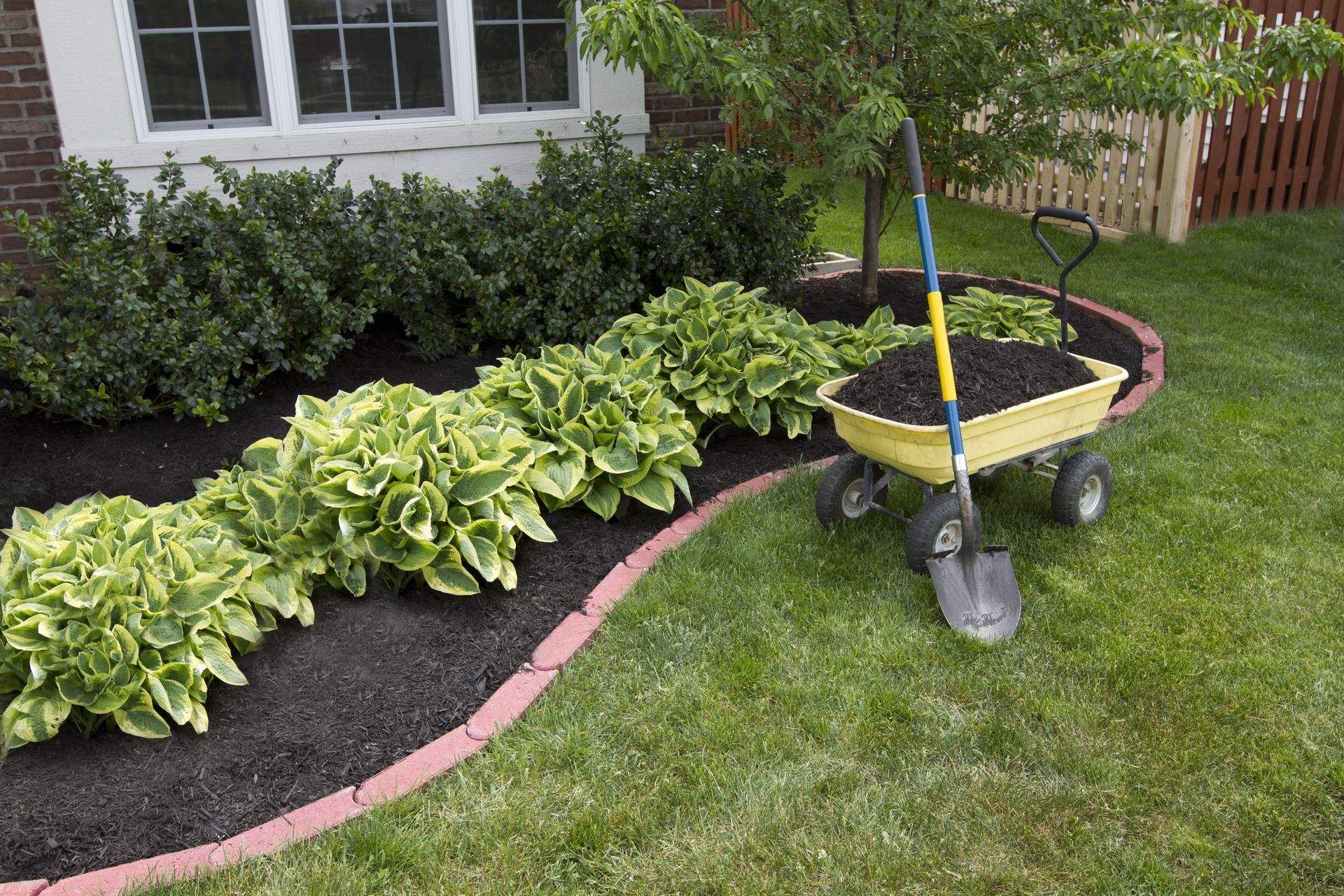
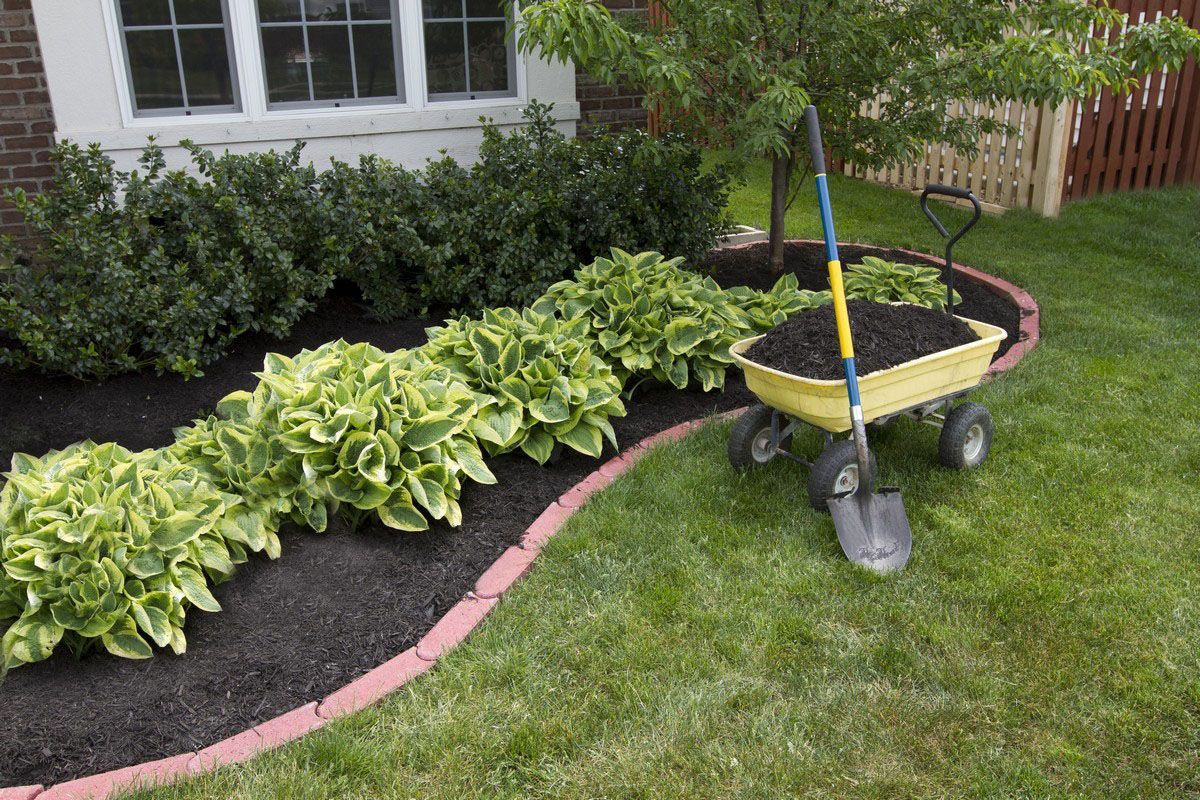
Mulching plays a crucial role in conserving soil moisture and regulating temperature. By covering the landscape soil surface with organic or inorganic materials, mulch reduces evaporation and keeps soil temperatures stable. It also suppresses weed growth, reducing competition for water and nutrients. Organic mulches gradually decompose, adding nutrients back into the soil and improving soil structure. The aesthetic appeal of mulch can also enhance landscape design while providing these practical benefits.
Using Cover Crops
Cover crops are planted not to harvest, but to improve soil health in various ways. They prevent soil erosion by protecting the surface with plant material and root structures. As cover crops decompose, they contribute organic matter, resulting in increased soil fertility and microbial activity. Leguminous cover crops, like clover, can fix atmospheric nitrogen into the soil, enriching it further. Integrating cover crops into your landscaping plan can lead to a more resilient and productive soil ecosystem.
Natural Amendments and Fertilizers
Natural amendments and fertilizers, like bone meal and fish emulsion, provide a more sustainable approach to enriching soil nutrients. These natural products release nutrients slowly, reducing the risk of leaching and nutrient runoff. They also improve soil health by promoting beneficial microbial activity. Unlike synthetic fertilizers, natural amendments build soil structure and resilience over time. Careful use of these fertilizers ensures a thriving, balanced soil ecosystem that supports plant growth.
Soil Aeration Practices
Soil aeration is essential for promoting healthy root growth and microbial activity. Compacted landscape soil restricts air, water, and nutrient movement, hindering plant development. Regularly aerating soil alleviates compaction, allowing roots to grow deeply and access essential nutrients. Techniques such as core aeration or manually loosening the soil with a garden fork can improve soil aeration. Healthier soil requires less maintenance, contributing to the overall sustainability of your landscape.
The Impact of Soil on Plant Health
Nutrient Uptake
Healthy soil enhances the efficiency of nutrient uptake by plants. A balanced soil environment with adequate organic matter and microorganisms ensures nutrients are readily available. This reduces the need for frequent fertilization and minimizes environmental impact. Efficient nutrient uptake leads to stronger, more vibrant plants capable of withstanding pests and diseases. By optimizing soil health, you invest in robust plant growth and reduce long-term landscaping costs.
Root Development
The structure and texture of soil directly affect root development and resilience. Roots in well-structured soil with adequate aeration can penetrate deeply, providing a strong foundation for plant stability. Healthy root systems are better equipped to access water and nutrients, critical for plant survival in adverse conditions. Additionally, strong roots help anchor plants securely, reducing damage from wind and erosion. Investing in soil health translates to healthier, more resilient plant root systems.
Defending Against Pests and Diseases
Healthy soil is a vital defense mechanism against pests and diseases. A diverse soil ecosystem encourages beneficial organisms that compete with or directly inhibit harmful pests and pathogens. Plants growing in rich, healthy soil also tend to be more vigorous and able to fend off sickness. By maintaining soil health, you reduce the need for chemical interventions, fostering a natural equilibrium. This approach not only benefits plant health but contributes to environmental sustainability.
Water Retention and Drainage
Achieving the right balance between soil moisture retention and drainage is essential for plant health. Too much water can lead to root rot, while too little causes wilting and nutrient deficiencies. Soil enriched with organic matter improves both water retention in sandy soils and drainage in clay soils. By adjusting soil composition, you can provide a stable growing environment, reducing the necessity for constant watering. Effective water management through soil health markedly decreases the operational costs of landscape maintenance.
Soil and Plant Biodiversity
A rich soil ecosystem promotes plant biodiversity, allowing a variety of species to thrive. Diverse plantings benefit from different root systems, nutrient uptake patterns, and mutualistic relationships with soil microorganisms. This diversity can create resilient landscapes less susceptible to pest outbreaks and disease spread. By cultivating biodiversity, you foster an environment that supports a range of wildlife and beneficial insects. Investing in soil and plant diversity contributes to a balanced, sustainable garden ecosystem.
Sustainable Landscaping Practices
Xeriscaping and Water Conservation
Xeriscaping utilizes the natural properties of healthy soil to create water-efficient landscapes. By selecting drought-tolerant plants and enhancing soil moisture retention, property owners minimize reliance on irrigation. Mulching and organic matter also help conserve water, maintaining soil moisture. Such practices reduce water bills and create resilient landscapes adapted to local climate conditions. Adopting xeriscaping increases sustainability and reduces landscape maintenance costs.
Permaculture Principles
Permaculture principles offer a holistic approach to landscaping that leverages soil's ecosystem services. Such designs focus on creating self-sustaining, regenerative environments that mimic natural ecosystems. Healthy landscape soil acts as the foundation for nutrient cycling, water management, and biodiversity, key components of permaculture. By working with the land's natural processes, one reduces resource inputs and encourages sustainability. Implementing permaculture results in harmonious, productive landscapes that require minimal intervention.
Soil Conservation Techniques
Soil conservation protects soil from erosion and degradation, preserving its health and productivity. Techniques like contour planting, terracing, and cover cropping stabilize soil, reducing erosion from wind and water. Mulching and organic amendments further enhance soil structure and resilience. By prioritizing conservation, we safeguard soil for future generations while maintaining its current agricultural and environmental benefits. Proactive soil management helps avoid fines and regulations associated with degradation-related damages.
Building Raised Beds
Raised beds offer an effective solution for controlling soil quality and drainage. By elevating the planting surface, raised beds improve soil aeration and prevent waterlogging. They allow customization of soil mixtures, adapting to specific plant needs and improving fertility. Raised beds also create a space-efficient arrangement, making maintenance easier and reducing weed pressure. For urban or small-space gardeners, raised beds maximize productivity while maintaining rich, well-drained soil.
Organic Gardening and Soil Health
Organic gardening emphasizes soil health as the cornerstone of sustainable growth practices. By avoiding synthetic chemicals, organic methods preserve beneficial soil organisms and enhance natural soil processes. Practices such as crop rotation, intercropping, and green manuring enrich soil fertility and structure. These sustainable methods reduce reliance on external inputs, promoting a self-sustaining ecosystem. Organic principles align with the growing demand for environmentally friendly, health-conscious gardening approaches.
The Economic Benefits of Healthy Soil
Increased Property Value
Improving landscape soil quality has tangible economic benefits, including increased property value. Well-kept gardens and landscapes enhance curb appeal, making properties more attractive to potential buyers. Investing in soil health ensures a sustainable, visually appealing environment that adds value. Landscaped homes often demand higher market prices, providing a significant return on initial investment. Healthy landscape soil boosts property value, making it a financially sound investment strategy.
Reduced Maintenance Costs
Healthy, self-sustaining landscapes reduce maintenance costs over time. According to Jobber, the average homeowner spends about $300 per month on general landscaping services. By optimizing soil health, properties require less frequent fertilizers, pesticides, and irrigation. Natural, balanced ecosystems are less prone to pests and diseases, further decreasing upkeep expenses. Maintaining healthy soil lessens dependency on maintenance services, providing cost efficiency.
Enhanced Agricultural Productivity
In agricultural settings, healthy soils translate to increased yields and crop quality. Nutritious, well-structured soil supports vigorous growth, reducing the need for chemical fertilizers. This not only improves economic viability but also minimizes environmental impact. Healthy soils bolster resilience against extreme weather, pests, and diseases, ensuring stable yields. Investing in soil health maximizes long-term agricultural productivity and market competitiveness.
Energy and Resource Savings
Optimal soil health leads to reduced energy and resource consumption. Efficient watering practices and nutrient cycling in healthy soil decrease the need for mechanical intervention. Lower fossil fuel use results from fewer applications of chemical inputs and machinery. Such savings translate into significant cost reductions over time. Healthier soil optimizes resource efficiency, contributing economically and environmentally.
Environmental Impact and Avoiding Fines
Maintaining healthy soil contributes positively to environmental conservation efforts. Reducing chemical runoff protects water bodies and preserves biodiversity. Compliance with environmental regulations prevents fines and promotes sustainable practices. Healthy soil functions as a carbon sink, aiding in climate mitigation strategies. Proactive soil stewardship fosters a more sustainable future while remaining environmentally and economically responsible.
The transformative power of landscape soil extends beyond plant health, influencing environmental, economic, and personal well-being. Investing in soil health enhances property value, reduces maintenance costs, and promotes sustainable practices. By recognizing and harnessing the potential beneath our feet, we can create flourishing landscapes that support biodiversity and resilience. Healthy soil forms the foundation of a thriving garden oasis, offering abundant returns on investment. Embrace the power of soil to transform your property into an environmental and aesthetic haven. If you're looking for landscape soil or other landscaping materials, contact Premium Landscape Supply Co today.